Transport Standards in Egypt: Vehicles, Drivers and Guides
“Air-conditioned coach” covers a very wide range in Egypt. For a group, transport quality is a safety and experience issue, not just a line item — vehicle age, driver hours, guide licensing. This guide sets the standards to hold suppliers to, and pairs with our guide to coach fleets and transfer timings and our DMC services.
Vehicle Standards: What to Expect
Egypt’s tourism industry has made significant strides in upgrading its fleet to meet international expectations. Modern air-conditioned coaches, comfortable sedans, and luxury minibuses are commonly used for group and private tours. These vehicles are typically equipped with safety features such as seat belts, GPS tracking, and regular maintenance schedules to ensure passenger safety and comfort.
For travelers seeking a premium experience, especially along the Nile, luxury Nile cruise programmes offer a seamless blend of transportation and accommodation. These cruises provide not only vessels but also on-board amenities, ensuring that the journey between destinations is as memorable as the sites themselves.
Driver Professionalism and Training
The role of the driver in Egypt extends far beyond simply transporting passengers from point A to B. Professional drivers are trained to navigate the country’s unique road conditions, from crowded urban centers to remote archaeological sites. They are required to hold special licenses for tourist vehicles, undergo regular health checks, and attend periodic training sessions on safety, customer service, and first aid.
When planning group travel or corporate events, it’s important to understand the nuances of local regulations and requirements. For more insights into organizing group travel logistics, including visa processes, refer to Group Visa Handling in Egypt: Who Does What.
Guides: The Heart of the Egyptian Experience
Licensed guides in Egypt are storytellers, historians, and cultural ambassadors rolled into one. To become a certified guide, individuals must complete rigorous university-level training in Egyptology, languages, and tourism management. Guides are not only knowledgeable about ancient sites but also adept at handling group dynamics, answering questions, and ensuring the safety and satisfaction of their guests.
When organizing tours for groups and MICE (Meetings, Incentives, Conferences, and Exhibitions), selecting the right guide can make a significant difference in the overall experience. Skilled guides can tailor their commentary to the interests and backgrounds of the group, providing context that transforms a sightseeing trip into an immersive journey.
Seasonal Variations and Their Impact on Transport
Egypt’s climate and tourism calendar have a direct influence on transport operations. High season, typically from October to April, sees increased demand for vehicles and guides, leading to early bookings and higher prices. During low season, availability is generally better, but some services may operate on reduced schedules.
To plan your trip around peak periods and public holidays, consult the Egypt Season Calendar: Rates, Demand and Availability Month by Month. This resource helps travelers anticipate fluctuations in service levels and make informed decisions about when to visit and book transport services.
Transport in Major Destinations: Cairo, Aswan, and the Red Sea
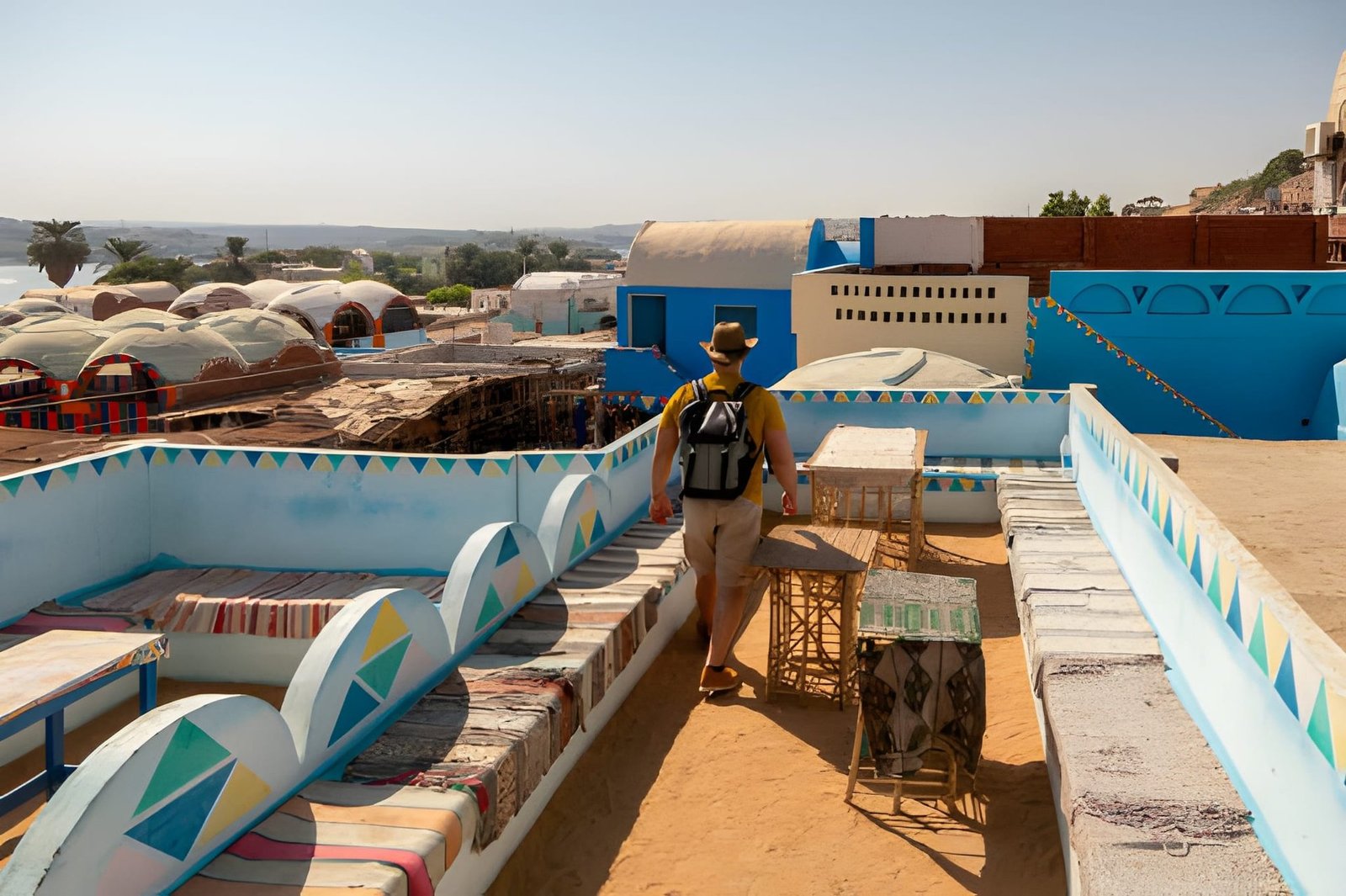
Different regions of Egypt offer distinct transport experiences. In Cairo, expect a mix of modern highways and historic streets, with private transfers and organized tours providing efficient navigation through the city’s energetic chaos. Aswan, in contrast, is known for its relaxed pace and scenic river journeys. Here, feluccas and motorboats are popular for exploring the Nile and its islands.
To discover the charm of southern Egypt, explore Aswan, a destination where transport often becomes part of the adventure. Meanwhile, the the Red Sea region boasts a network of comfortable coaches and private transfers, ideal for reaching beach resorts and dive sites along the coast.
Planning Around Holidays and Local Events
Transport schedules and availability can be significantly affected by religious holidays, festivals, and national events. Ramadan, in particular, brings changes to operating hours, meal breaks for drivers and guides, and altered traffic patterns. It’s important for travelers to be aware of these shifts to avoid disruptions and maximize their experience.
For a detailed overview of how holidays impact transport and travel planning, refer to Planning Around Ramadan and Egyptian Public Holidays. This guide provides practical advice on what to expect and how to adjust your itinerary accordingly.
Group Travel and MICE: Specialized Transport Solutions
Organizing transport for large groups or corporate events requires a higher level of coordination and expertise. Egypt’s leading Destination Management Companies (DMCs) work closely with international and local partners to deliver tailored solutions, from luxury coaches to VIP transfers and logistical support at airports and venues.
To ensure your group receives the best possible proposal, it’s essential to communicate your needs clearly. For tips on briefing a DMC and achieving optimal results, see How to Brief a DMC for Better Proposals. This resource outlines the key information to provide and common pitfalls to avoid.
Safety, Accessibility, and Sustainability in Egyptian Transport
Safety is a top priority for Egypt’s tourism sector, with strict regulations governing vehicle maintenance, driver conduct, and guide certification. Most reputable operators adhere to international standards, including insurance coverage and emergency protocols. Accessibility is improving as well, with more vehicles and attractions accommodating travelers with limited mobility.
Sustainability is an emerging focus, with initiatives aimed at reducing emissions, promoting eco-friendly vehicles, and supporting local communities. Travelers are encouraged to choose responsible operators and inquire about green practices when booking transport services.
Frequently Asked Questions
What types of vehicles are commonly used for tourist transport in Egypt?
Tourist transport in Egypt typically involves modern air-conditioned coaches, sedans, minibuses, and luxury vehicles for private or group tours. For river journeys, especially between Luxor and Aswan, cruise ships and traditional feluccas are popular choices.
Are drivers in Egypt trained to international standards?
Yes, professional drivers in Egypt must hold special licenses for tourist vehicles, participate in regular safety and customer service training, and comply with health and legal requirements. Reputable operators ensure their drivers are experienced and knowledgeable about local conditions.
How do I ensure my guide is qualified?
Licensed guides in Egypt must complete formal education in tourism or Egyptology and pass government exams. Always book through authorized agencies or partners to guarantee that your guide is certified and experienced.
Is transport affected during Ramadan and public holidays?
Transport schedules and availability may change during Ramadan and public holidays, with some services operating on reduced hours or altered routes. It’s advisable to plan ahead and consult resources like Planning Around Ramadan and Egyptian Public Holidays for updated information.
What should I consider when booking group or MICE transport?
Group and MICE transport requires careful coordination, clear communication of requirements, and early booking, especially during peak seasons. For guidance on briefing your DMC and organizing group logistics, see How to Brief a DMC for Better Proposals.
Are there sustainable transport options available for tourists in Egypt?
Yes, many operators are introducing eco-friendly vehicles and promoting sustainable practices. Travelers are encouraged to ask about green initiatives and choose companies committed to minimizing environmental impact.