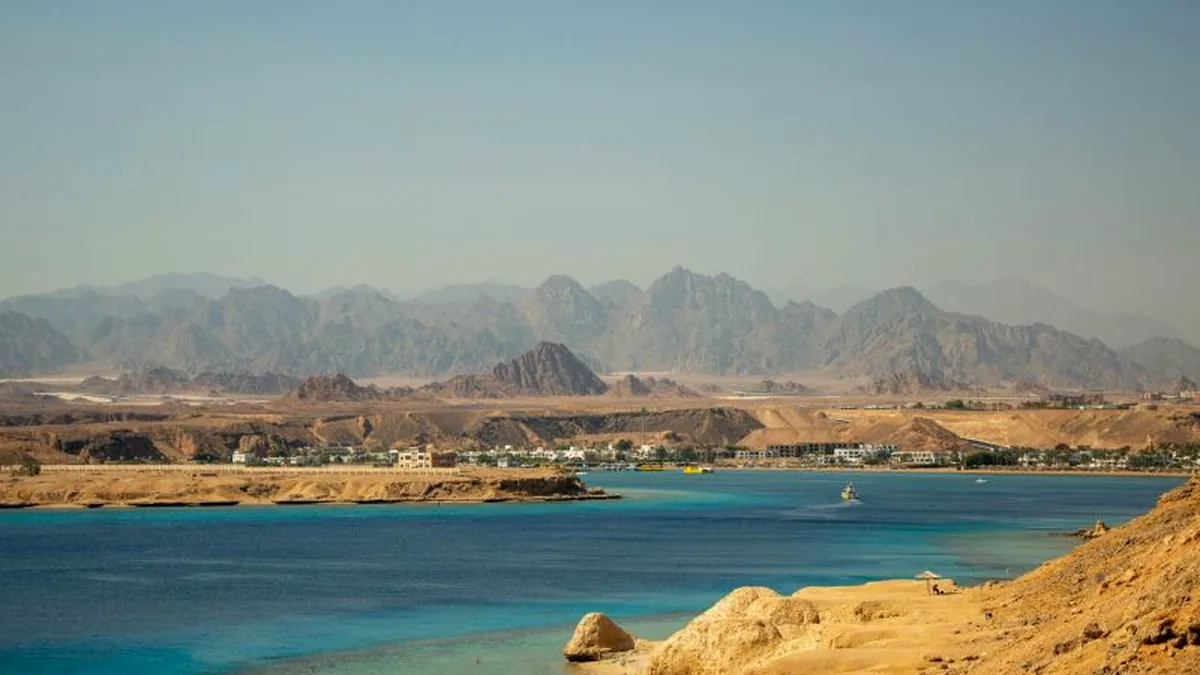
After the temples and the tombs, the Red Sea is where an Egypt itinerary exhales. Some of the world's most accessible coral reefs sit metres from shore, the sun is dependable in every month, and the resort inventory runs from family-friendly to genuinely world-class.
Choosing the coast
Sharm El Sheikh, on the Sinai Peninsula, offers dramatic desert-meets-sea scenery and celebrated dive sites. Hurghada and its polished neighbour El Gouna sit on the mainland with easy connections to the Nile Valley. The right choice usually follows flight logistics and the resort standard the client expects — this is where careful contracting earns its keep.
In and out of the water
Snorkelling and diving lead, with reefs suitable for first-timers and veterans alike. Beyond the water: desert excursions by jeep or quad, kitesurfing in the lagoons, and spa days that justify the "and relax" line in the brochure.
How it fits a programme
The classic pairing is culture first, coast second — Cairo and the Nile Valley, then three to five nights of beach to close. It is also a strong incentive-trip component, pairing meetings and events with resort leisure. Domestic flights link the coast to Cairo and Luxor in about an hour.
At a glance
- Signature sights: Coral reef snorkelling & diving · Sharm El Sheikh · Hurghada & El Gouna · Desert excursions · Luxury beach resorts
- Best months: Year-round; spring and autumn are ideal
- Time to allow: 3–5 nights
Quick answers
When is the best time for the Red Sea?
It works year-round. Spring and autumn are ideal; summer is hot but tempered by the sea; winter days are warm with cooler evenings.
Sharm El Sheikh or Hurghada?
Sharm offers Sinai scenery and famous dive sites; Hurghada and El Gouna connect more easily with Nile Valley itineraries. Flight logistics and resort standard usually decide.
How does the Red Sea fit a cultural itinerary?
Most programmes place it last — Cairo and the Nile first, then three to five nights on the coast, linked by short domestic flights.