Coach Fleets and Transfer Timings for Large Groups in Egypt
Introduction to Group Travel Logistics in Egypt
For a large group, the coach plan is the programme’s skeleton — get the fleet size or the timings wrong and every day runs late. Cairo traffic alone can undo an optimistic schedule. This guide covers right-sizing vehicles, staging convoys and building transfer timings that hold, and it ties into moving a large group through the airport.
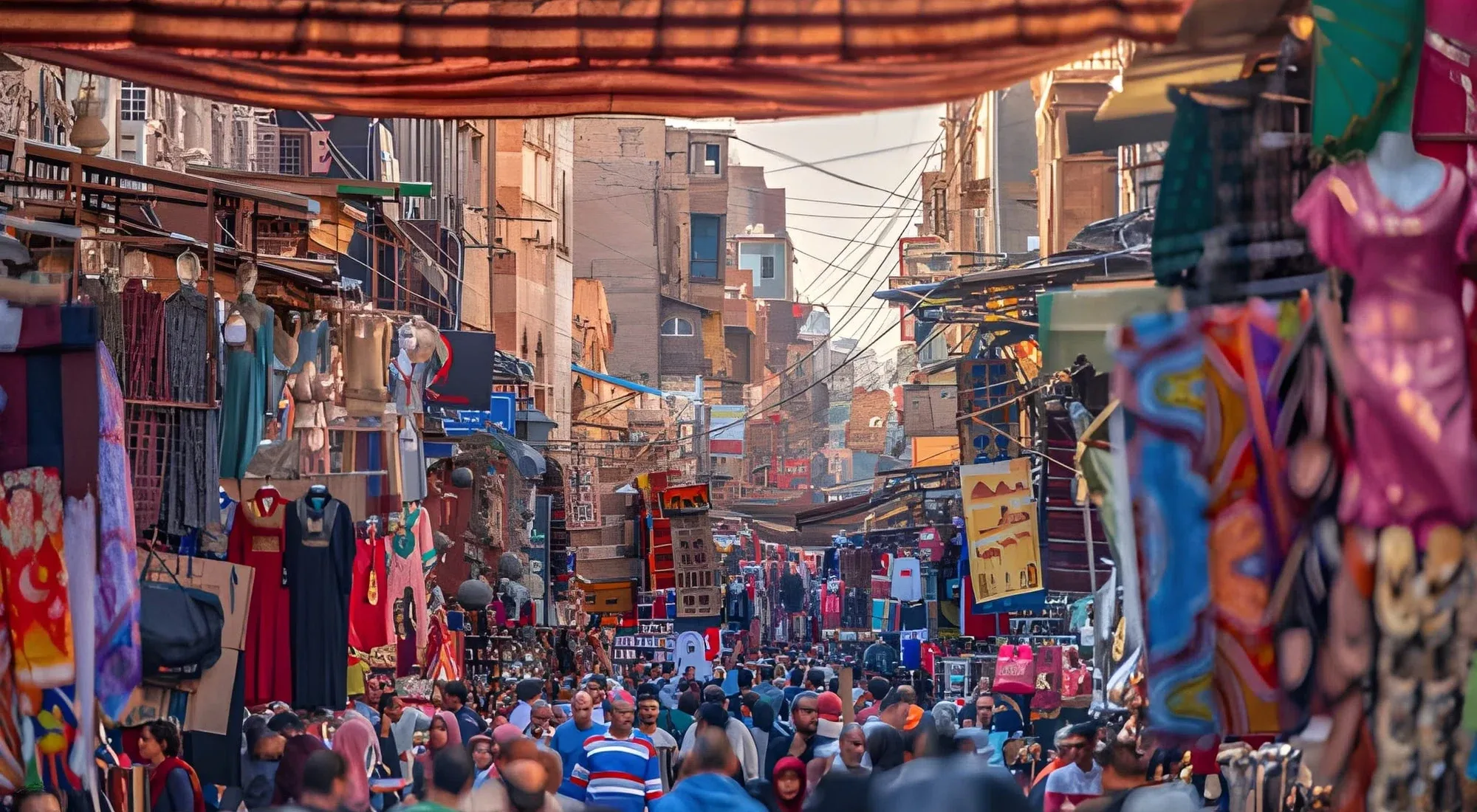
Timing reality: Cairo Airport to downtown is about 22 km but 45 to 60 minutes; to Giza about 45 km and 60 to 90 minutes — before traffic. Coach schedules have to be built around those windows, not the map distance.
Understanding Coach Fleet Options for Large Groups
Egypt’s coach fleets are remarkably diverse, catering to groups ranging from a dozen to several hundred participants. Most reputable operators maintain a modern fleet of vehicles, including minibuses (15–30 seats), mid-size coaches (30–45 seats), and full-size luxury coaches (up to 55 seats). These coaches are typically equipped with air conditioning, reclining seats, onboard restrooms, and sometimes Wi-Fi, ensuring comfort during long journeys across Egypt’s vast terrain. When selecting a coach, group leaders should consider the size of their party, luggage requirements, and the nature of the itinerary—urban transfers may favor smaller buses, while desert and Nile journeys benefit from larger, more robust vehicles.
For those interested in exploring the variety of options available for group travel, our Egypt tours showcase a range of itineraries and coach configurations suitable for every group size and style.
Transfer Timings: What to Expect Across Egypt
One of the most important aspects of group travel in Egypt is understanding and planning for transfer timings. Distances between major destinations can be significant: for example, Cairo to Alexandria by coach takes approximately 3 hours, while Cairo to Luxor is a full day’s journey (8–10 hours). Traffic in urban areas, especially Cairo, can be unpredictable, and security checkpoints or roadworks may add to travel times. For optimal comfort, it’s advisable to schedule regular rest stops and allow for flexibility in the itinerary. Early morning departures are often recommended to avoid city congestion and maximize sightseeing opportunities upon arrival.
For groups considering a blend of road and river travel, luxury Nile cruise programmes offer a seamless experience, combining coach transfers with elegant cruising between iconic destinations along the Nile.
Key Destinations and Their Transfer Considerations
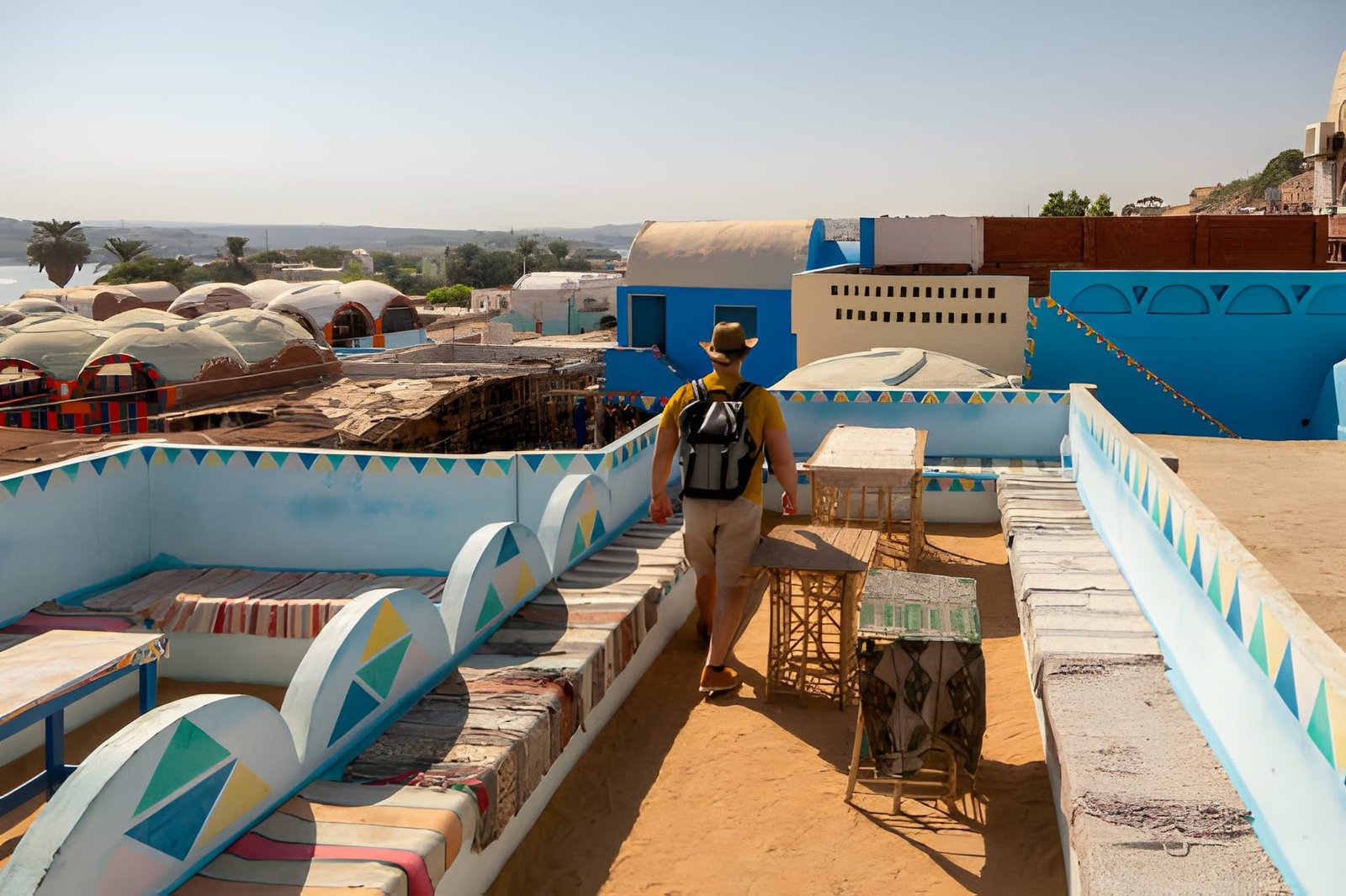
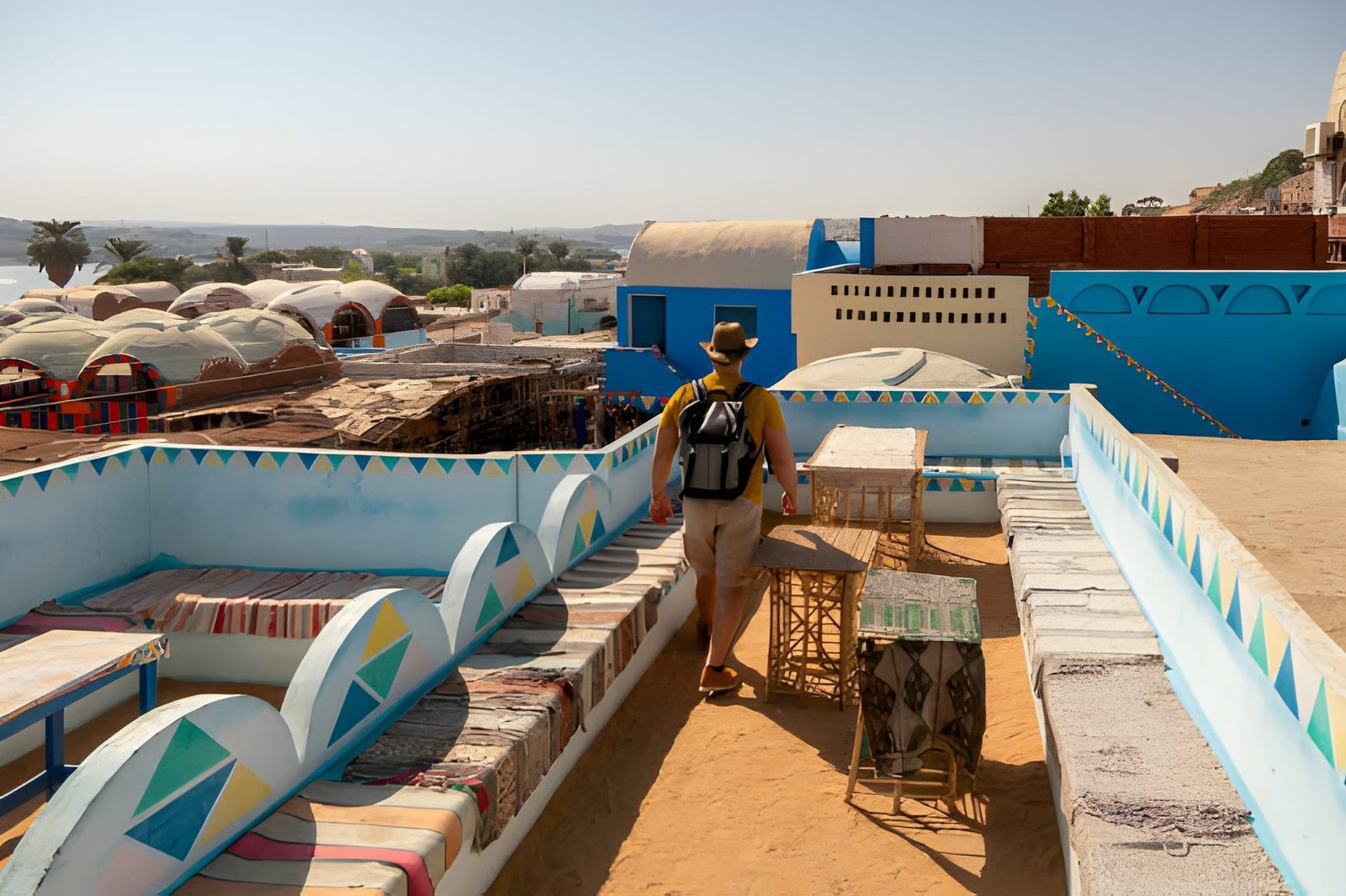
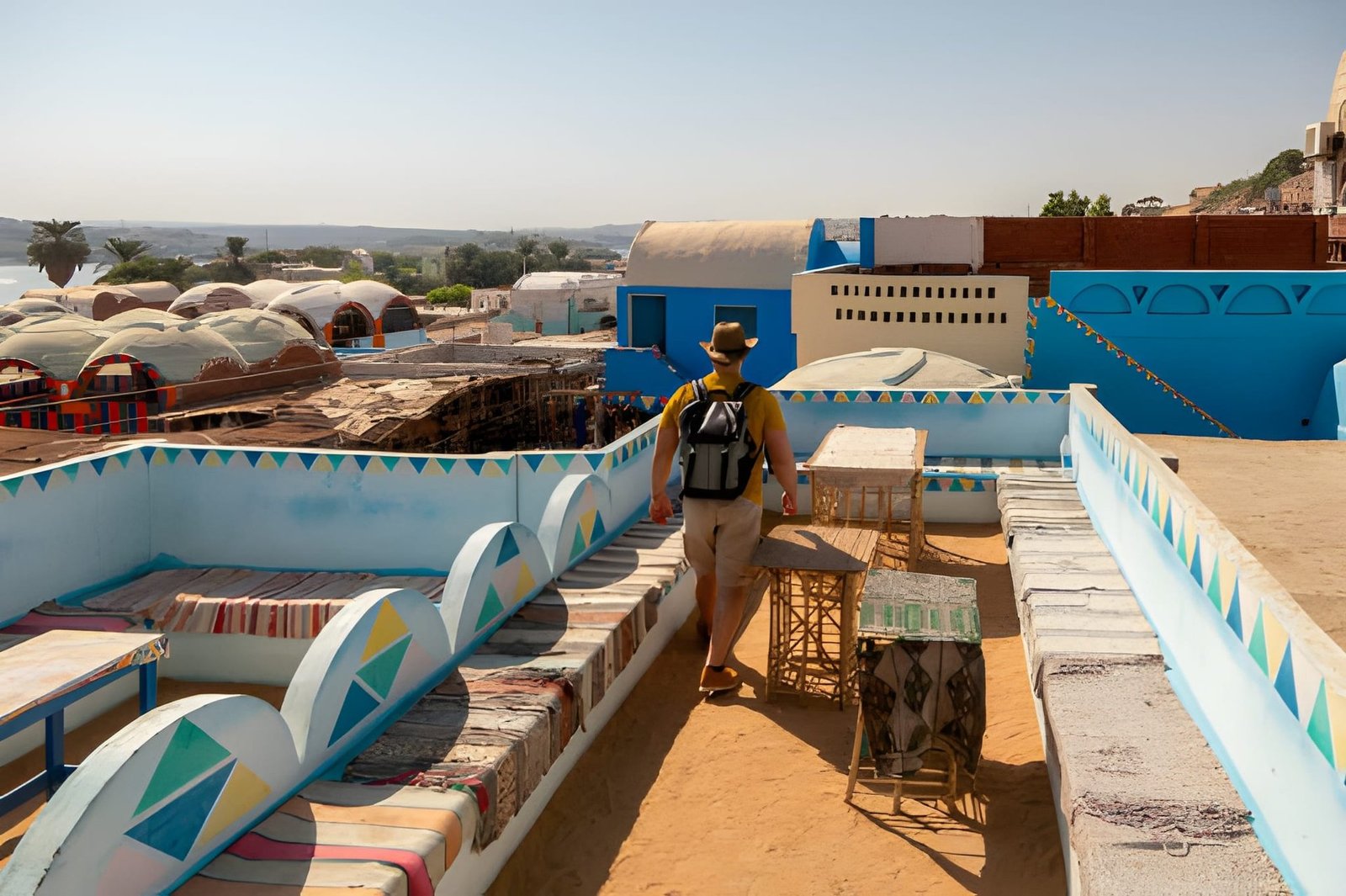
Egypt’s most popular group destinations each present unique logistical considerations. For instance, Aswan, in the far south, is a gateway to Nubian culture and the starting point for many Nile cruises. Coach journeys to Aswan from Luxor take around 3–4 hours, passing through scenic desert landscapes. In contrast, the Red Sea coast, with its renowned resorts and diving spots, is best accessed from Hurghada or Marsa Alam, both of which are served by modern highways and efficient coach connections.
To explore the cultural richness and logistical ease of visiting Aswan, group leaders should coordinate transfers that allow for stops at key sites en route, such as the temples of Kom Ombo and Edfu.
Similarly, a journey to the Red Sea is best planned with transfer timings that account for the region’s popularity, especially during peak holiday seasons.
Coordinating Themed Events and On-Site Transfers
Egypt provides a spectacular backdrop for themed events, from desert gala dinners to private museum nights. Managing on-site transfers for such events requires careful planning, especially when moving large groups between hotels, event venues, and attractions. Coordinators often utilize a fleet of shuttle coaches, ensuring timely arrivals and departures while maintaining guest comfort. Communication with local authorities and event venues is essential to secure parking, manage entry points, and adhere to security protocols.
For inspiration on unique event settings and the logistical considerations they entail, read Themed Events in Egypt: Desert, Nile and Museum Settings.
Budgeting and Cost Factors in Group Transfers
Budgeting for group transfers in Egypt involves more than just the cost of vehicle hire. Factors such as fuel prices, driver accommodation, tolls, parking fees, and seasonal demand can all influence the final price. Large groups often benefit from economies of scale, but it’s crucial to clarify what is included in the quoted price—some operators include bottled water, tour guides, or onboard refreshments, while others charge extra. Advance bookings and clear communication about group size and itinerary help avoid unexpected costs and ensure smooth operations.
For a comprehensive breakdown of where transfer costs fit into the overall event budget, see Budgeting an Egypt Incentive: Where the Costs Really Sit.
Meeting Spaces, Site Inspections, and Coach Access
When planning events or meetings for large groups in Egypt, the suitability of meeting spaces and the accessibility for coaches are critical. Not all venues can accommodate large vehicles or provide sufficient parking, especially in historic districts or near major tourist attractions. Conducting a thorough site inspection prior to the event allows organizers to verify coach drop-off points, walking distances, and the efficiency of guest flow. Additionally, checking for amenities such as AV equipment, restrooms, and breakout spaces ensures a successful gathering.
For detailed advice on verifying venues and logistics, consult Meeting Space in Egypt: Capacities, AV and What to Verify on Site.
To streamline the planning process, a Site Inspection Checklist for an Egypt Incentive Programme is an invaluable resource, helping organizers anticipate and address potential challenges before arrival.
Best Practices for Efficient Group Transfers
Efficiency is key when moving large groups around Egypt. Organizers should provide participants with clear schedules, boarding instructions, and information about rest stops. Assigning group leaders or marshals for each coach can help with headcounts and communication. It’s also wise to have contingency plans for delays, such as traffic or unexpected closures. Keeping in touch with drivers via mobile phones or radios allows for real-time updates and adjustments. For multi-day tours, rotating seat assignments and providing snacks or entertainment can enhance the travel experience and keep spirits high.
Safety, Comfort, and Cultural Etiquette on the Road
Safety is a top priority for coach operators in Egypt, with most fleets adhering to strict maintenance schedules and employing experienced drivers familiar with both urban and rural routes. Passengers should always wear seatbelts where provided and follow the instructions of tour leaders and drivers. In terms of comfort, light clothing, hats, and bottled water are essential for long journeys, especially in the summer months. Respecting local customs—such as modest dress when passing through villages or stopping at religious sites—ensures a positive experience for both visitors and locals.
Frequently Asked Questions
How far in advance should I book coach transfers for a large group in Egypt?
It’s best to book coach transfers at least three to six months in advance, especially for peak travel periods (October–April) and for groups larger than 30 people. Early booking ensures availability of the preferred fleet size and allows for customization of routes and amenities.
Can coaches access all major tourist sites in Egypt?
Most major tourist sites are accessible by coach, but some historic areas—such as Old Cairo or parts of Luxor—may have restricted vehicle access. In such cases, transfers may end at a nearby drop-off point, with short walks or smaller shuttle vehicles completing the journey.
What amenities can we expect on modern coaches in Egypt?
Modern coaches in Egypt typically offer air conditioning, reclining seats, onboard restrooms (on larger models), and sometimes Wi-Fi and USB charging ports. Amenities can vary, so it’s important to confirm details with your provider ahead of time.
Are there any special considerations for group transfers to the Red Sea or Aswan?
Transfers to the Red Sea and Aswan can be lengthy, often requiring early departures and scheduled rest stops. It’s advisable to factor in additional time for traffic, checkpoints, and group meals. For a smoother experience, coordinate with local experts familiar with these routes.
How are transfer costs calculated for large groups?
Transfer costs are typically based on distance, vehicle size, duration, and included services (such as guides or refreshments). Additional fees may apply for overnight stays, tolls, or premium amenities. Request a detailed quote to understand all cost components.
What should I look for during a site inspection regarding coach logistics?
During site inspections, check for coach parking, drop-off zones, walking distances to venues, and accessibility for guests with mobility needs. Also verify restroom availability and any restrictions on vehicle sizes or entry times.