Sufi Heritage Walks In Cairo For Special-Interest Groups
Sufi heritage walks in Cairo offer special-interest groups a unique opportunity to experience the city’s spiritual legacy by exploring historic mosques, Sufi shrines, and centuries-old traditions. These guided walks are tailored for groups seeking in-depth cultural encounters and exclusive access to Cairo’s living Sufi sites, making them an enriching choice for educational, religious, or cultural travel programs.
Key Takeaways
- Cairo’s Sufi heritage walks highlight centuries-old mosques, shrines, and living spiritual traditions in the heart of Historic Cairo.
- Special-interest group tours can access exclusive Sufi sites, participate in rituals, and engage with local practitioners.
- UNESCO inscribed Historic Cairo as a World Heritage site in 1979, recognizing its outstanding Islamic architecture and living heritage.
- Mobile phone photography is free of charge at Ministry sites, including most Sufi-related monuments.
- Free entry is available for children under 6, Egyptian seniors 60+, Egyptians with special needs, and orphaned children at Ministry sites.
Understanding Sufism and Its Role in Cairo
Sufism, the mystical branch of Islam, has shaped Cairo’s spiritual and cultural landscape for centuries. Sufi brotherhoods (tariqas) established lodges, mosques, and shrines that became centers for spiritual learning, music, and community gatherings. Today, the city’s Sufi heritage is visible in both its grand monuments and living traditions, making it a compelling focus for group tours that seek deeper cultural immersion.
Many visitors are drawn to Cairo specifically to witness these enduring traditions and to explore the city’s spiritual heart.
Highlights of a Sufi Heritage Walk
A typical Sufi heritage walk in Cairo encompasses several key sites in Historic Cairo, such as the Mosque of Sayyidna al-Hussein, the Shrine of Sayyida Nafisa, and the Mosque-Madrassa of Sultan Hassan. These walks often include visits to lesser-known zawiyas (Sufi lodges) and opportunities to observe or participate in Sufi rituals like the dhikr (remembrance) ceremonies. Guides with deep knowledge of Sufi history and practice help groups understand the symbolism, architecture, and living customs of each site.
Group programs can be customized to include stops at vibrant local markets and traditional sweet shops, enriching the sensory experience of Cairo’s Sufi quarters. For those interested in broader itineraries, our Egypt tours often incorporate Sufi heritage elements as part of multi-day cultural explorations.
Planning for Special-Interest Groups: Logistics and Security
Organizing Sufi heritage walks for special-interest groups requires careful attention to logistics, group size, and security protocols. Egypt has specific regulations regarding group movements, especially in historic districts. Coordinating with local authorities and experienced operators ensures smooth access to sites and compliance with security requirements. It’s essential for groups to be aware of the latest guidelines for escorted visits and to plan routes that allow for both safety and an immersive experience.
For a comprehensive overview of group safety, review Security and Escort Requirements for Groups in Egypt to understand the necessary procedures and best practices for group travel in Cairo.
Historic Cairo: The Heart of Sufi Heritage
Historic Cairo, a UNESCO World Heritage site since 1979, is the epicenter of Sufi heritage in Egypt. Its winding lanes are home to a concentration of medieval mosques, Sufi shrines, and vibrant street life. Al-Muizz Street, often included in Sufi walks, boasts some of the city’s finest Islamic architecture and several active Sufi lodges. The area is also a living neighborhood where centuries-old traditions continue, providing a dynamic backdrop for group explorations.
Special-interest groups benefit from guided walks that reveal the layered history of these districts, from Fatimid foundations to Ottoman-era Sufi brotherhoods. For groups with dietary needs, exploring local cuisine and traditional sweets is another highlight—see Catering for International Groups in Egypt: Dietary Requirements for tips on accommodating diverse preferences during your heritage walk.
Accessing Sufi Sites: Entry Rules, Photography, and Group Arrangements
Entry to Cairo’s Sufi-related monuments is governed by Ministry of Tourism and Antiquities rules. Free entry is available for children under 6, Egyptian seniors 60+, Egyptians with special needs, and orphaned children. Student tickets require a valid student ID and that the holder is under 24. Mobile phone photography is free of charge at Ministry sites, though commercial or professional filming requires advance permission. It is recommended to arrive at least one hour before closing time to ensure full access to the sites.
For large groups, coach transfer logistics and timing can be a challenge in Cairo’s busy streets. Learn more about optimizing group transport with Coach Fleets and Transfer Timings for Large Groups in Egypt to help your group move efficiently between Sufi sites.
Experiencing Living Sufi Traditions
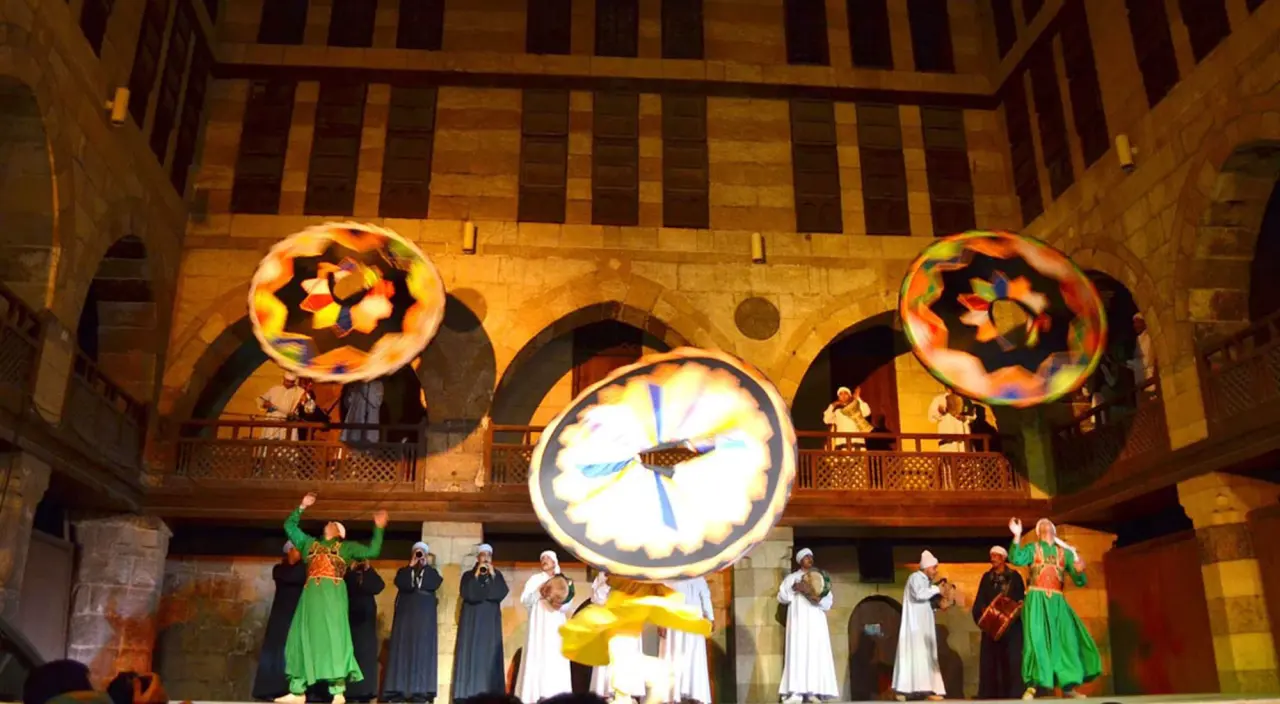
One of the most rewarding aspects of a Sufi heritage walk is witnessing living traditions. Many Sufi lodges in Cairo still host weekly dhikr gatherings, especially on Thursday evenings, where participants engage in chanting, music, and spiritual recitation. Special-interest groups may arrange private sessions or attend public rituals, offering a rare chance to see Sufi spirituality in practice. During certain festivals, such as the mawlid (saint’s birthday), the streets around major shrines come alive with processions, music, and communal feasts.
Responsible travel is essential when visiting these sacred spaces. Visitors should dress modestly, respect local customs, and seek permission before joining or photographing rituals. For more on ethical travel practices, see responsible travel guidelines to ensure your group’s visit supports local communities and preserves the integrity of Sufi traditions.
Integrating Sufi Heritage Walks Into Group Itineraries
For educational, corporate, or faith-based groups, Sufi heritage walks can be incorporated into broader Cairo or Egypt itineraries. These experiences can complement visits to major monuments, offering a deeper understanding of Egypt’s spiritual diversity. For example, a Sufi walk can be paired with museum visits, Islamic art workshops, or culinary tours. Some programs may even include team-building activities inspired by Sufi music or calligraphy, fostering group cohesion through shared cultural experiences.
To explore creative group activities, read Team-Building in Egypt That Corporate Groups Actually Enjoy for inspiration on integrating Sufi-themed workshops or performances into your group’s journey.
Practical Considerations: Accommodation and New Developments
The choice of accommodation can greatly enhance a group’s Sufi heritage experience. Many new hotels in Cairo are located within easy reach of Historic Cairo and offer amenities tailored for groups, such as meeting spaces and private dining. Staying near the heart of the old city allows groups to join early-morning walks or evening rituals with ease. Recent hotel openings also provide more options for groups seeking comfort, accessibility, and cultural authenticity.
For the latest on where to stay, see New Hotel Openings in Cairo and What They Mean for Your Programmes to align your group’s lodging with your Sufi heritage itinerary.
Beyond Cairo: Sufi Heritage Across Egypt
While Cairo is the focal point of Sufi heritage in Egypt, other destinations—such as Alexandria, Luxor, and Aswan—also host important Sufi sites and festivals. Groups interested in a nationwide exploration can combine Cairo’s Sufi walks with visits to regional shrines or Sufi music festivals. For example, Abu Simbel’s annual festival, while not Sufi, is a major event for group travel planning. Understanding the logistics of reaching remote heritage sites is crucial for a seamless experience.
To compare group travel options to major sites outside Cairo, see Abu Simbel for Groups: Flight Blocks or Overland? for practical advice on planning multi-city Sufi heritage tours.
Frequently Asked Questions
-
What is a Sufi heritage walk in Cairo?
A Sufi heritage walk in Cairo is a guided group tour that explores historic mosques, Sufi shrines, and active spiritual sites, offering insight into the city’s mystical Islamic traditions. -
Which areas of Cairo are best for Sufi heritage walks?
The best areas for Sufi heritage walks are Historic Cairo, especially Al-Muizz Street, Sayyidna al-Hussein Mosque, Sayyida Nafisa Shrine, and the Mosque-Madrassa of Sultan Hassan. -
Are there special entry requirements for group visits to Sufi sites?
Entry to Ministry sites in Cairo is free for children under 6, Egyptian seniors 60+, Egyptians with special needs, and orphaned children; student tickets require a valid ID and age under 24. -
Can groups take photographs during Sufi heritage walks?
Mobile phone photography is free of charge at Ministry sites, but commercial or professional filming requires prior permission. Always ask before photographing people or rituals. -
How can group leaders ensure responsible and respectful visits?
Group leaders should follow responsible travel guidelines, ensure modest dress, respect local customs, and coordinate with local guides to avoid disrupting religious practices. -
What transportation options are available for large groups visiting Sufi sites?
Large groups can use coach fleets or minibuses for transfers between sites; advance planning is recommended to manage timing and access in Cairo’s busy historic districts.