Security and Escort Requirements for Groups in Egypt
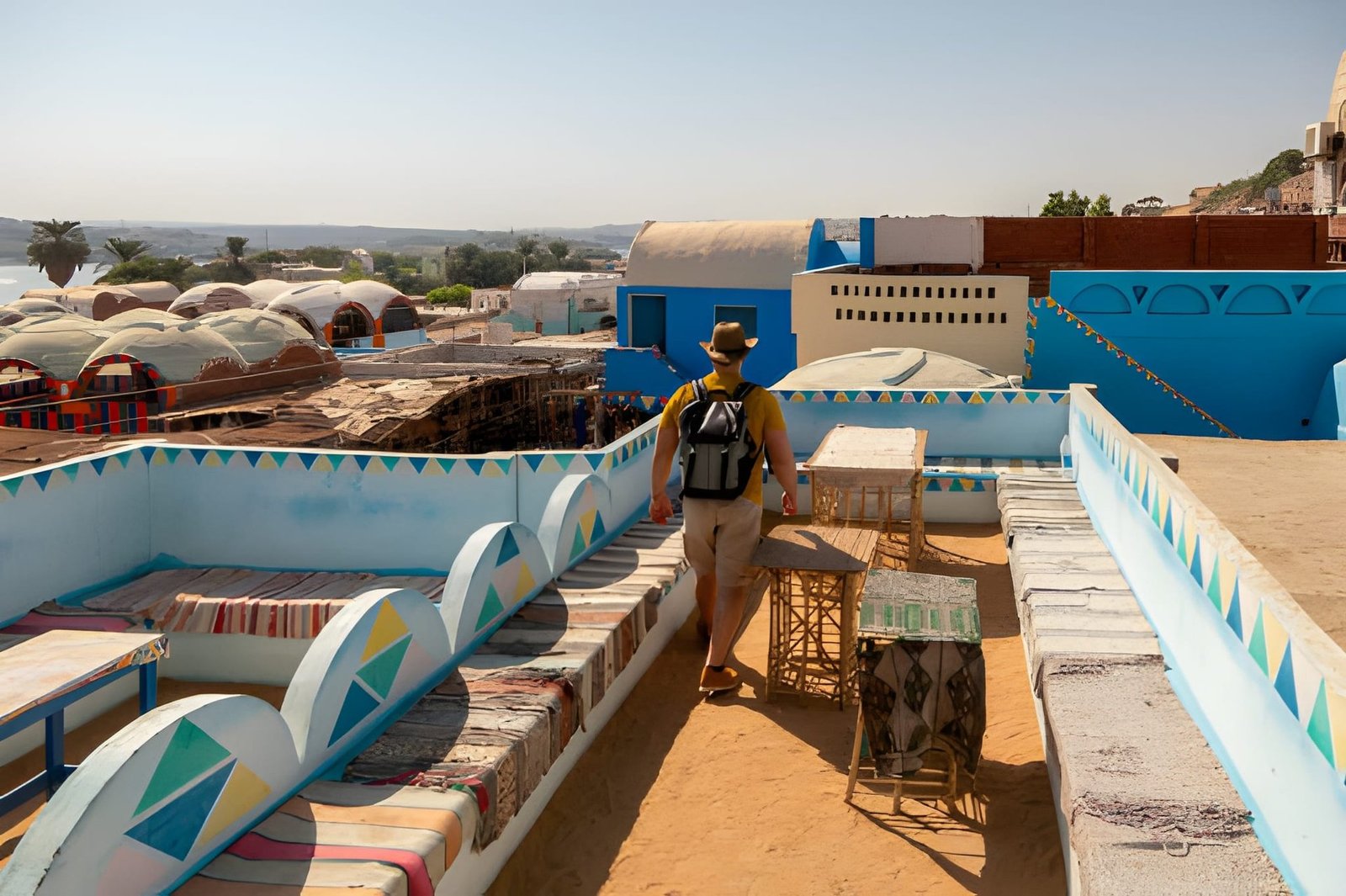
Group travel in Egypt is subject to specific security and escort requirements, especially when visiting certain regions and high-profile sites. For most tourist destinations, organized groups may need to coordinate with authorities for police escorts or advance route approvals, particularly outside major cities or in sensitive areas. These rules are designed to ensure visitor safety and smooth travel experiences across the country.
This is most visible on the Abu Simbel overland convoy, and matters for any programme moving a large group through airports and checkpoints.
Key Takeaways
- Police escorts are mandatory for group travel in some regions, including parts of Upper Egypt and the Sinai Peninsula.
- Tour operators must coordinate itineraries with Egyptian authorities for approval and security arrangements.
- The UK Foreign, Commonwealth & Development Office advises against all travel within 20km of the Libya border (except El Salloum) and in North Sinai Governorate.
- Free entry to Egyptian monuments applies to children under 6, Egyptian seniors 60+, Egyptians with special needs, and orphaned children, with some exclusions at NMEC.
- Group visits to sites may be impacted by reduced Ramadan hours, which are published per-site on the official ticketing portal.
Understanding Egypt's Security Landscape for Groups
Egypt is a country rich in history and culture, but its security environment is shaped by regional dynamics and the need to protect both locals and visitors. The government maintains a visible security presence at key tourist sites, hotels, and along major travel routes. For group tours, particularly those venturing beyond Cairo and Alexandria, authorities often require coordination with the Ministry of Tourism and Antiquities or local police. This coordination helps ensure that groups are accompanied by official escorts where necessary, and that routes remain secure.
Travelers should be aware that the UK Foreign, Commonwealth & Development Office advises against all travel within 20km of the Egypt-Libya border (except El Salloum town) and in the North Sinai Governorate. For more updates and guidance on changing conditions, consult Egypt travel news for the latest developments affecting group travel.
When Are Police Escorts Required?
Police escorts are a standard requirement for group travel in certain parts of Egypt, especially along routes between major tourist cities and in areas considered sensitive for security reasons. For example, groups traveling between Luxor and Aswan, or through the desert roads to the Red Sea resorts, are typically assigned a police convoy. This measure is not only for safety but also to streamline passage through checkpoints and to respond quickly to any incidents.
Regions like Upper Egypt and parts of the Sinai Peninsula may have additional restrictions. The requirement for police escorts can change depending on the current security assessment, so it is essential for tour operators and group leaders to confirm requirements with local authorities before travel. For travelers interested in exploring Aswan, escorted travel is common and helps ensure a secure and efficient journey.
Group Travel Procedures and Approvals
Organizing a group trip in Egypt involves more than just booking hotels and transportation. Tour operators must submit itineraries to the Ministry of Tourism and Antiquities or local security offices for review. This process allows authorities to arrange necessary escorts and monitor group movements, particularly when visiting sites outside main urban centers or during special events.
Advance approval is especially important during periods of heightened security or when traveling to areas under special advisory. Group leaders should prepare to provide detailed information about their participants, routes, and schedules. For those planning luxury Nile cruise programmes, coordinators handle much of this process, ensuring that all requirements for safe passage between sites are met.
Regional Differences in Security Requirements
Security and escort policies differ significantly depending on the region. While Cairo, Giza, and Alexandria operate with standard urban security protocols, Upper Egypt and the Sinai Peninsula have stricter regulations due to their proximity to sensitive borders and historical incidents. In the Red Sea resorts, such as Hurghada and Sharm El Sheikh, security is robust but generally less restrictive for groups, thanks to their established tourism infrastructure.
For those planning trips to the Red Sea, group travel is straightforward, with security focused on resort perimeters and main access roads. However, excursions into the Eastern Desert or remote oases may require additional permissions and police escorts. Always check current advisories and coordinate with local authorities or your tour provider prior to travel.
Special Considerations for Accessible and Special Needs Groups
Egypt’s policies for travelers with special needs are designed to provide a welcoming and secure experience. Per the Ministry of Tourism and Antiquities, free entry to monuments is granted to Egyptians with special needs, as well as to children under 6, Egyptian seniors 60+, and orphaned children, with certain exclusions at the National Museum of Egyptian Civilization (NMEC) on Fridays, Saturdays, and public holidays. Tour operators arranging group visits for travelers with accessibility requirements should communicate these needs in advance to ensure proper support and, if necessary, tailored security arrangements.
For a comprehensive overview of what can be promised to clients with accessibility needs, see Accessible Egypt: What You Can Safely Promise a Client. This resource outlines both the opportunities and limitations for accessible group travel in Egypt.
Site Entry, Ticketing, and Group Logistics
Coordinating entry for groups at Egypt’s iconic monuments requires careful planning. Group leaders should be aware that all monument ticket prices are published in Egyptian Pounds (EGP), and that mobile phone photography is free of charge at Ministry sites. Students up to age 24 with valid student IDs are eligible for discounted tickets. During Ramadan, sites and museums operate on reduced hours, which are published per-site on the Ministry’s ticketing portal. It is recommended to arrive at least one hour before closing time to ensure a smooth visit.
For a detailed guide to managing group visits around site schedules, consult Site Opening Hours and Closures Every Planner Should Know. This is particularly relevant for group planners needing to synchronize multiple visits in one day.
Photography, Filming, and Permit Requirements
Photography with mobile phones is permitted free of charge at Ministry-run sites; however, commercial, TV, and cinema filming require prior permission. Groups intending to use professional equipment for documentaries or promotional content must apply for permits well in advance. These rules are strictly enforced, and failure to comply can result in fines or confiscation of equipment. The Grand Egyptian Museum (GEM) has its own unique policies, so group leaders should verify requirements for each location.
For further details on what is allowed and how to obtain necessary permits, read Photography and Filming Permits at Egyptian Sites. This resource is invaluable for groups planning media projects or special events at archaeological sites.
Planning Group Itineraries: Timing and Safety
Efficient itinerary planning is crucial for groups, especially when security escorts are required or when traveling between multiple destinations in a single day. It is advisable to factor in additional time for security checks and convoy coordination, as well as potential delays at checkpoints. For groups aiming to maximize their experience in a limited timeframe, such as an overnight visit to Luxor, careful scheduling is essential.
An excellent resource for condensed group itineraries is Luxor in One Night: A Short-Programme Itinerary That Works. This guide provides practical tips on how to see the highlights of Luxor while adhering to security and site opening requirements.
Frequently Asked Questions
Are police escorts mandatory for all group tours in Egypt?
Police escorts are required for group travel in certain regions of Egypt, such as Upper Egypt, the Sinai Peninsula, and desert routes between major cities. In other areas, standard security measures apply, but requirements can change based on current security assessments.
How do tour operators arrange official escorts for group travel?
Tour operators must submit detailed itineraries to the Ministry of Tourism and Antiquities or local police for approval. Authorities then arrange police escorts where necessary, especially for travel outside main urban centers or on designated routes.
What areas should groups avoid according to official travel advisories?
The UK Foreign, Commonwealth & Development Office advises against all travel within 20km of the Egypt-Libya border (except El Salloum town) and in North Sinai Governorate. Groups should check current advisories before planning travel to these areas.
Are there special entry exemptions for group members at Egyptian monuments?
Free entry is granted to children under 6, Egyptian seniors 60+, Egyptians with special needs, and orphaned children at most Ministry sites, with certain exclusions at NMEC on Fridays, Saturdays, and public holidays, per the Ministry of Tourism and Antiquities.
What are the rules for photography and filming for group visits?
Photography with mobile phones is free at Ministry-run sites, but commercial, TV, and cinema filming require prior permission. Group leaders should apply for filming permits in advance and check each site’s specific regulations.
Do group site visits need to be adjusted during Ramadan?
Yes, most sites and museums operate on reduced hours during Ramadan, which are published per-site on the Ministry’s ticketing portal. Groups should plan to arrive at least one hour before closing time for a smooth entry.