Luxor in One Night: A Short-Programme Itinerary That Works

It is possible to experience the essential wonders of Luxor in just one night by following a carefully planned itinerary that prioritizes the most significant ancient sites and immersive experiences. Focus on the East and West Banks, time your visits to key temples, and book reliable local transport for a rewarding whirlwind journey through Egypt’s most storied city.
This slots naturally into a wider Luxor stay or a stop before a Nile cruise south to Aswan.
Key Takeaways
- Karnak Temple opens daily at 06:00 AM and closes at 05:00 PM, with last entry at 04:00 PM in summer season, per the Ministry of Tourism and Antiquities.
- Mobile phone photography is free of charge at Ministry of Tourism and Antiquities sites, including Luxor’s main monuments.
- Ticket prices for foreign adults: Karnak Temple EGP 600, Luxor Temple EGP 500, Valley of the Kings EGP 750, all payable in Egyptian Pounds (EGP).
- Free entry is granted for children under 6, Egyptian seniors 60+, Egyptians with special needs, and orphaned children, except at NMEC on weekends and holidays.
- Average daily high in Luxor in October is 35.3 degC, with a low of 18.4 degC, per the World Meteorological Organization.
Why One Night in Luxor Can Work
Luxor, home to the ancient city of Thebes, is a destination so rich in history that many travelers assume days are needed to do it justice. Yet, with strategic planning, a single night can offer a highly rewarding glimpse into its pharaonic splendor. The city’s compact layout, reliable transport options, and extended opening hours at major sites make it possible to visit the most iconic temples and tombs in a short timeframe. For those on a tight schedule or connecting from a Nile cruise, this approach ensures you experience the highlights without feeling rushed or overwhelmed.
For travelers seeking a more in-depth group experience along the Nile, options like Dahabiya Charters for Small Incentive Groups can extend your journey beyond Luxor, combining comfort with historical immersion.
Arriving and Getting Around: Timing Is Everything
Arriving in Luxor by late afternoon or early evening allows you to begin your exploration as the heat of the day subsides. The city is accessible by domestic flights, trains, and Nile cruise boats. Many travelers arrive as part of luxury Nile cruise programmes, which often dock close to the city center, making it easy to reach the main attractions quickly.
For larger groups, considering the logistics of Nile cruise travel is crucial. Learn more about the pros and cons of different charter options in Nile Cruise Boats for Groups: Full Charter or Allocation?. Taxis and private drivers are readily available and can be pre-booked for efficient transfers between sites.
First Stop: Karnak Temple in the Late Afternoon
Karnak Temple is one of Egypt’s most impressive ancient complexes and is best visited in the late afternoon when the crowds thin and the light softens. During the summer season, Karnak opens at 06:00 AM with last entry at 04:00 PM. Ticket prices for foreign adults are EGP 600, while students pay EGP 300, and Egyptians pay EGP 40 for adults and EGP 20 for students. Entry for children under 6, Egyptian seniors 60+, Egyptians with special needs, and orphaned children is free, as per the Ministry of Tourism and Antiquities.
Mobile phone photography is free of charge throughout the site. Allow at least 90 minutes to explore the hypostyle hall, obelisks, and sacred lake. For those interested in the broader context of Nile-side temples, a visit to Luxor can be complemented by trips to other ancient cities along the river.
Evening Stroll: The Avenue of Sphinxes and Luxor Temple
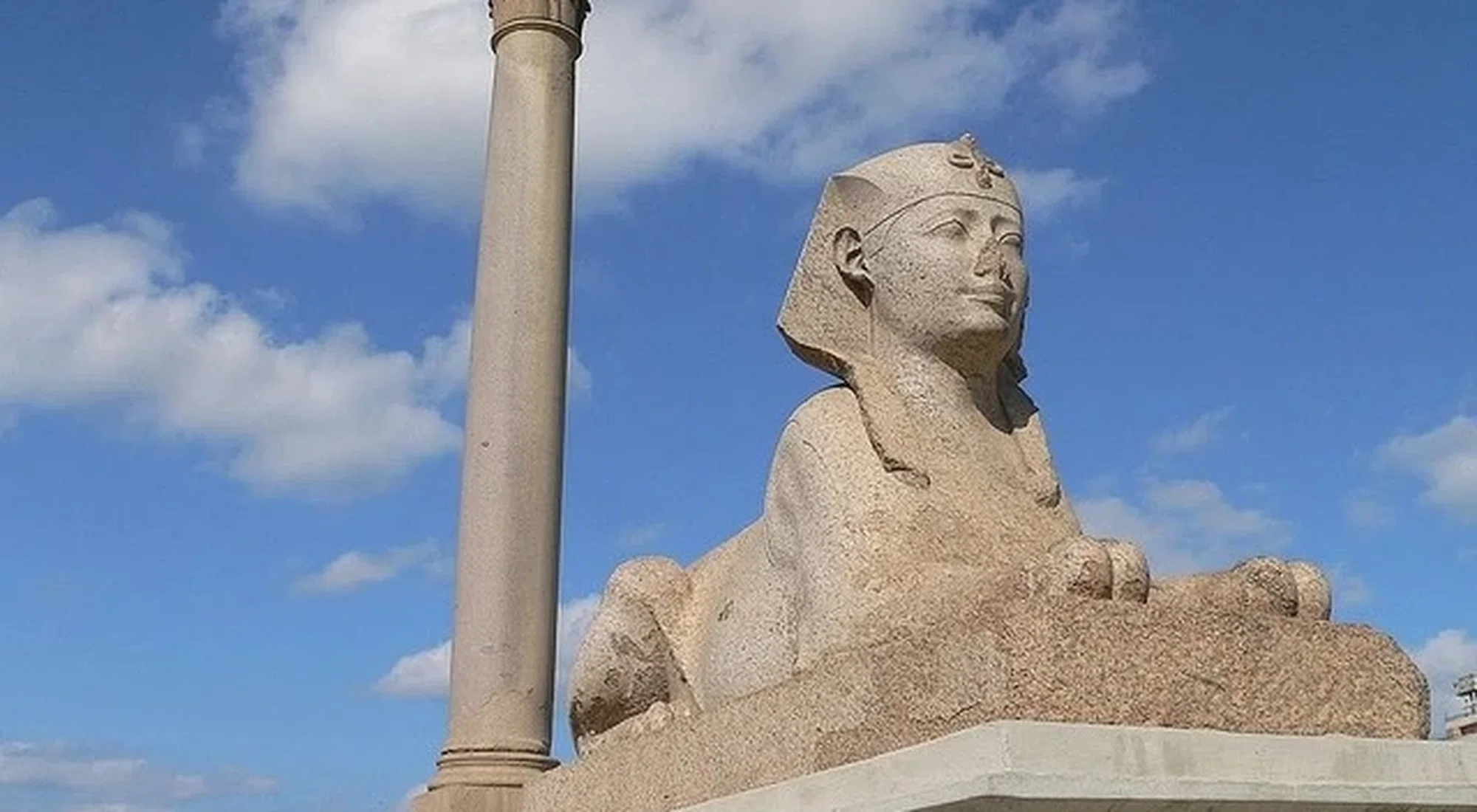
As dusk falls, head south along the Avenue of Sphinxes, a grand processional way once used for religious festivals. This recently restored path connects Karnak and Luxor Temples and is lined with hundreds of sphinx statues, offering an atmospheric walk through history. For detailed background on this unique feature, read Luxor's Avenue of Sphinxes Explained.
Luxor Temple remains open later than most sites, with daily hours from 06:00 AM to 08:00 PM and last entry at 07:00 PM during the summer season. Foreign adult tickets are EGP 500, students EGP 250, and Egyptians EGP 40 for adults and EGP 20 for students. The temple’s illuminated columns and statues at night create an unforgettable impression.
West Bank Wonders: Valley of the Kings at Sunrise
The following morning, cross the Nile to the West Bank to visit the Valley of the Kings, the burial ground of Egypt’s New Kingdom pharaohs. The site opens at 06:00 AM, with last entry at 05:00 PM in summer and 04:00 PM in winter. General admission for foreign adults is EGP 750, students pay EGP 375, while Egyptians pay EGP 60 for adults and EGP 30 for students. Arriving early is recommended to avoid the midday heat and crowds.
All prices at monuments are in Egyptian Pounds (EGP). For those interested in continuing their journey south, Aswan offers further archaeological treasures and is a natural next stop after Luxor.
Optional Sites: Hatshepsut Temple and Medinet Habu
If time permits, visit the Temple of Hatshepsut (Deir al-Bahari), an architectural marvel built into the cliffs. Opening hours in summer are from 06:00 AM to last entry at 05:00 PM; in winter, last entry is at 04:00 PM. Published ticket prices for foreign adults differ between official sources, so travelers should check before visiting. Egyptians pay EGP 40 for adults and EGP 20 for students. Nearby, Medinet Habu, the mortuary temple of Ramesses III, is open during the same hours with foreign adult tickets at EGP 220 and Egyptian adult tickets at EGP 20.
Those who wish to explore more sites or book a comprehensive experience can browse our Egypt tours for curated itineraries that cover both the East and West Banks.
Photography, Tickets, and Entry Rules
Photography with a mobile phone is free of charge at all Ministry of Tourism and Antiquities sites in Luxor. Commercial filming requires prior permission. Tickets for foreigners and Egyptians are issued in Egyptian Pounds (EGP), and students must present a valid ID and be no older than 24 to qualify for reduced rates. Free entry applies to children under 6, Egyptian seniors over 60, Egyptians with special needs, and orphaned children, except at NMEC on Fridays, Saturdays, and public holidays.
Card payment for tickets is not universally available at all sites, so visitors should bring cash. At Giza, self-service machines accept bank cards, but this is not guaranteed elsewhere. Always arrive at least one hour before closing to ensure entry, as advised by the Ministry's official ticketing service.
Climate, Comfort, and the Best Time to Visit
Luxor’s climate is hot for much of the year, with average daily highs in October reaching 35.3 degC and lows of 18.4 degC, according to the World Meteorological Organization. Early morning and late afternoon are the most comfortable times for sightseeing, especially in the warmer months. Sites and museums run reduced hours during Ramadan, published per-site on the ticketing portal, so travelers should check timings in advance. Official fees and opening hours are revised periodically, so it is wise to verify current details before your trip.
For travelers considering an extension to Abu Simbel, whether by flight or overland, Abu Simbel for Groups: Flight Blocks or Overland? provides a helpful overview of group travel options to this iconic site.
How to Maximize Your Short Stay: Practical Tips
To make the most of a single night in Luxor, pre-book tickets and transport where possible, and prioritize the sites that matter most to you. Consider hiring a knowledgeable local guide to provide context and streamline your visit. If you are traveling as a group, chartering a Nile cruise boat or dahabiya can optimize both comfort and efficiency. For more on small group charters, see Dahabiya Charters for Small Incentive Groups.
Always carry water, sun protection, and cash in small denominations. Dress modestly and wear comfortable shoes, as many sites require walking on uneven ground. With thoughtful planning, even a brief stay in Luxor can be deeply enriching.
Frequently Asked Questions
-
Can I see Luxor’s main sites in one night?
Yes, you can visit key sites such as Karnak Temple, Luxor Temple, and the Valley of the Kings in one night and the following morning with careful planning and early starts.
-
What are the ticket prices for foreigners at Luxor’s main attractions?
Ticket prices for foreign adults are EGP 600 for Karnak Temple, EGP 500 for Luxor Temple, and EGP 750 for the Valley of the Kings, all payable in Egyptian Pounds (EGP).
-
Is photography allowed at Luxor’s ancient sites?
Photography with a mobile phone is free of charge at Ministry of Tourism and Antiquities sites, but commercial filming requires prior permission.
-
Are there discounts for students and children?
Students with valid ID and aged no more than 24 are eligible for discounted tickets. Entry is free for children under 6, Egyptian seniors 60+, Egyptians with special needs, and orphaned children, with some exceptions at NMEC.
-
What is the best time of day to visit Luxor’s monuments?
The best times are early morning and late afternoon, when temperatures are lower and crowds are thinner. Arriving at least one hour before closing is recommended to ensure entry.
-
Are ticket prices and opening hours subject to change?
Yes, official fees and opening hours are revised periodically by the Ministry of Tourism and Antiquities, so travelers should check the latest information before visiting.