What Changed in Egyptian Tourism This Year
Egyptian tourism saw significant changes this year, with new attractions opening, updated travel policies, enhanced infrastructure, and shifting visitor trends. These adjustments have impacted how travelers plan, experience, and remember their trips. Whether you’re a first-time visitor or a returning fan, understanding these updates will help you make the most of your Egyptian adventure.
Key Takeaways
- Major new museums and archaeological sites have opened, including high-profile exhibits in Cairo and Luxor.
- Airport access and transfer times to the Red Sea Riviera have improved with new flight routes and road upgrades.
- Group tourism is being supported by revised schedules for sound and light shows at key monuments.
- Luxury Nile cruises have introduced new itineraries and upgraded amenities for 2024.
- Trade-focused tourism in Alexandria is increasingly popular for day trips and business events.
New Openings and Museum Highlights
This year, Egyptian tourism was marked by the much-anticipated opening of new cultural attractions. The Grand Egyptian Museum in Giza, though in soft launch, has begun offering limited tours, giving visitors a preview of its vast collection of Pharaonic treasures. In Cairo, the National Museum of Egyptian Civilization (NMEC) in Fustat continues to draw crowds with its Royal Mummies Hall and interactive exhibits. These venues have shifted the center of gravity for culture-seekers, making Cairo a must for museum lovers.
For those planning a trip to Egypt’s capital, Cairo now boasts improved visitor facilities, increased English-language signage, and streamlined ticketing at major sites. The city’s museums and historic districts are more accessible than ever, thanks to pedestrian-friendly upgrades and expanded guided tour options.
Airport Access and the Red Sea Riviera
One of the most notable changes this year has been the improved airport access and transfer times to Egypt’s Red Sea Riviera, including popular resort destinations such as Hurghada, Sharm El Sheikh, and Marsa Alam. New direct international flights and expanded domestic connections have made these beach destinations more accessible for both leisure and business travelers. Road infrastructure upgrades, including the Hurghada-Safaga highway expansion, have further reduced transfer times, making weekend getaways and short breaks easier to plan.
For a comprehensive overview of the latest airport options, transfer routes, and travel tips for the Red Sea coast, see The Red Sea Riviera: Airport Access and Transfer Times.
Sound and Light Shows: Group Travel Gets a Boost
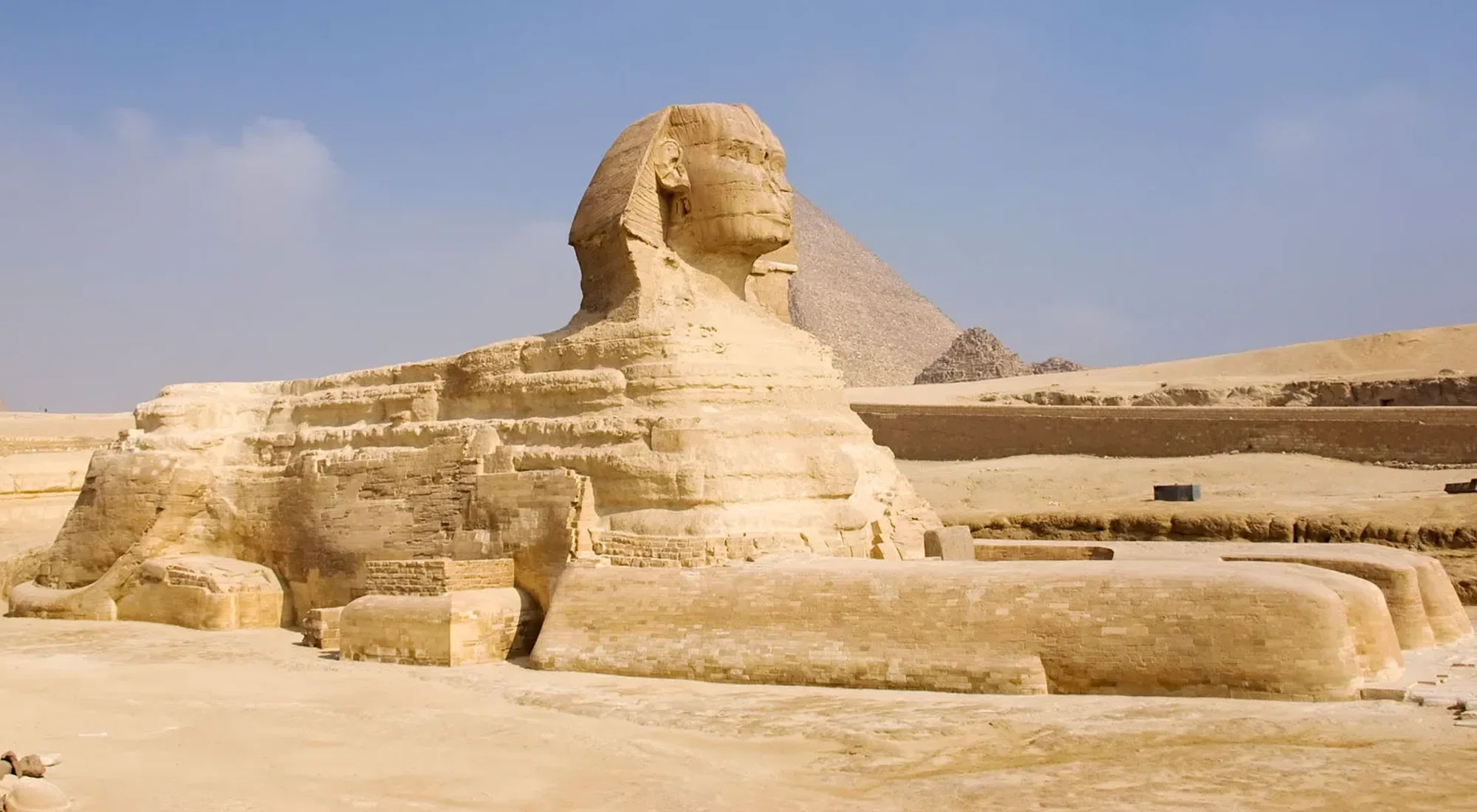
Egypt’s famous sound and light shows at sites like the Pyramids of Giza, Karnak Temple, and Philae Temple have long been a highlight for group travelers. This year, show schedules have been optimized to better accommodate group bookings, with additional languages and flexible timings. Enhanced audio-visual systems and new seating arrangements have improved the experience, especially for larger parties and incentive groups. Organizers are now able to secure private or semi-private shows for special events, making these historic spectacles more accessible and memorable.
For up-to-date advice on which shows are currently operating and best suited for groups, consult Sound and Light Shows: Which Ones Still Work for Groups.
Rise in Trade and Business Tourism
Egypt’s strategic location and improved conference facilities have led to a surge in trade-focused tourism, with Alexandria emerging as a favored destination for business travelers and day-trippers from Cairo. The city’s new convention centers, waterfront hotels, and revitalized historic sites make it an attractive option for meetings, incentives, conferences, and exhibitions (MICE).
For those considering a business-focused excursion, Alexandria for the Trade: Is It Worth the Day? offers practical insights into the city’s unique appeal for trade visitors.
Additionally, for broader industry news and analysis, the trade insights category provides regular updates on Egypt’s evolving tourism sector.
Incentive Travel and Site Inspection Trends
With the return of large-scale international events, Egypt has seen renewed interest in incentive travel. Companies and event planners are increasingly conducting site inspections to assess hotel quality, meeting facilities, and off-site activity options. This year, there has been a shift toward more sustainable and experiential incentive programmes, with a focus on unique venues and authentic cultural experiences. Health and safety protocols have also been updated, in line with global standards, to reassure organizers and participants.
For a detailed guide to planning and evaluating an Egypt incentive trip, read the Site Inspection Checklist for an Egypt Incentive Programme.
Luxury Nile Cruises: New Itineraries and Upgrades
The luxury Nile cruise sector has introduced new itineraries and ship upgrades this year, offering travelers a more refined and immersive experience. Enhanced amenities, such as gourmet dining, spa services, and curated shore excursions, cater to discerning guests. Cruises now include expanded stops at lesser-known temples and villages, providing deeper insight into Upper Egypt’s cultural heritage.
For those seeking an upscale river journey, the latest luxury Nile cruise programmes feature exclusive access to monuments and personalized services, distinguishing them from standard offerings.
Aswan, a perennial favorite for cruise passengers, has seen further improvements in its riverside promenades and visitor amenities. For more on what to see and do in this tranquil southern city, visit Aswan.
Visitor Experience: Digital Innovations and Accessibility
Egyptian tourism authorities have invested in digital transformation this year, introducing new online ticketing systems, virtual guides, and mobile apps for major attractions. These upgrades have streamlined entry procedures, reduced wait times, and provided visitors with up-to-date information in multiple languages. Accessibility improvements, such as ramps, tactile maps, and audio guides, have made key sites more welcoming to travelers with disabilities. Many hotels and attractions now offer free Wi-Fi and contactless payment options, responding to evolving traveler expectations.
Environmental Sustainability and Responsible Tourism
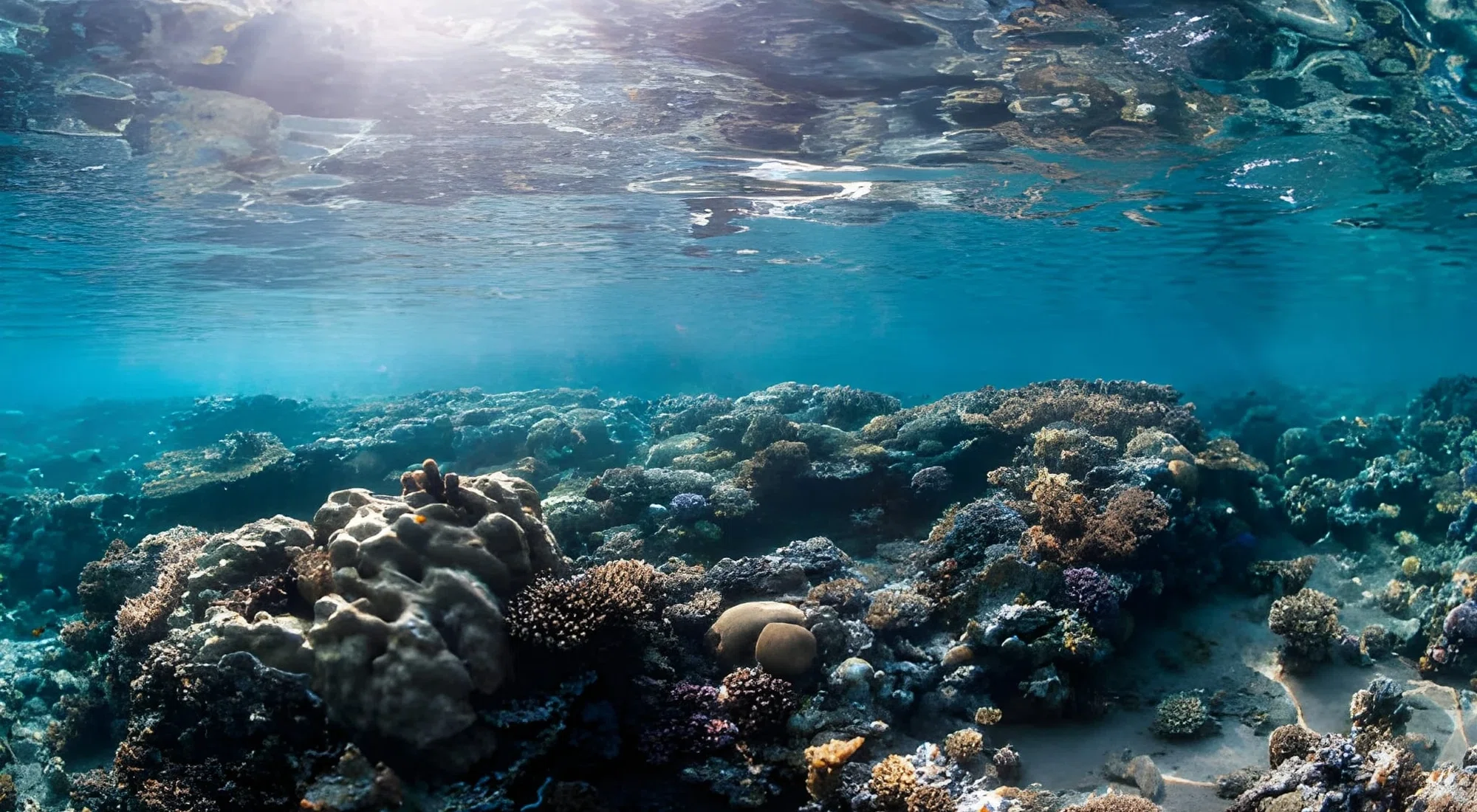
Environmental sustainability has become a priority in Egypt’s tourism development this year. Authorities have implemented stricter regulations on single-use plastics at hotels and archaeological sites, expanded recycling programs, and promoted eco-friendly transportation options. The Red Sea region, in particular, has ramped up coral reef protection and marine conservation efforts, working closely with dive operators and resorts. Travelers are encouraged to choose certified eco-lodges and participate in responsible tourism initiatives, such as guided clean-up dives and community-based tours.
Frequently Asked Questions
-
What are the major new attractions in Egypt this year?
The Grand Egyptian Museum in Giza is partially open for tours, and the National Museum of Egyptian Civilization in Cairo continues to expand its exhibits, including the Royal Mummies Hall.
-
How has airport access changed for the Red Sea Riviera?
New direct flights and improved road connections have made it faster and easier to reach Red Sea resorts like Hurghada and Sharm El Sheikh from major cities and abroad.
-
Are sound and light shows still available for groups?
Yes, most major sound and light shows at landmarks like the Pyramids and Karnak Temple are operating with enhanced group booking options and updated schedules.
-
Is Alexandria a good day-trip destination for business travelers?
Alexandria has become increasingly popular for trade-focused day trips, offering modern conference facilities and a range of cultural attractions within easy reach of Cairo.
-
What’s new with luxury Nile cruises?
Luxury Nile cruises now feature upgraded ships, new itineraries including more exclusive stops, and enhanced amenities such as gourmet dining and spa services.
-
How is Egypt promoting sustainable tourism?
Egypt has introduced stricter environmental regulations, expanded eco-friendly accommodations, and launched initiatives to protect natural and cultural heritage, especially in the Red Sea region.