Luxor's Avenue of Sphinxes: What Its Reopening Means for Itineraries
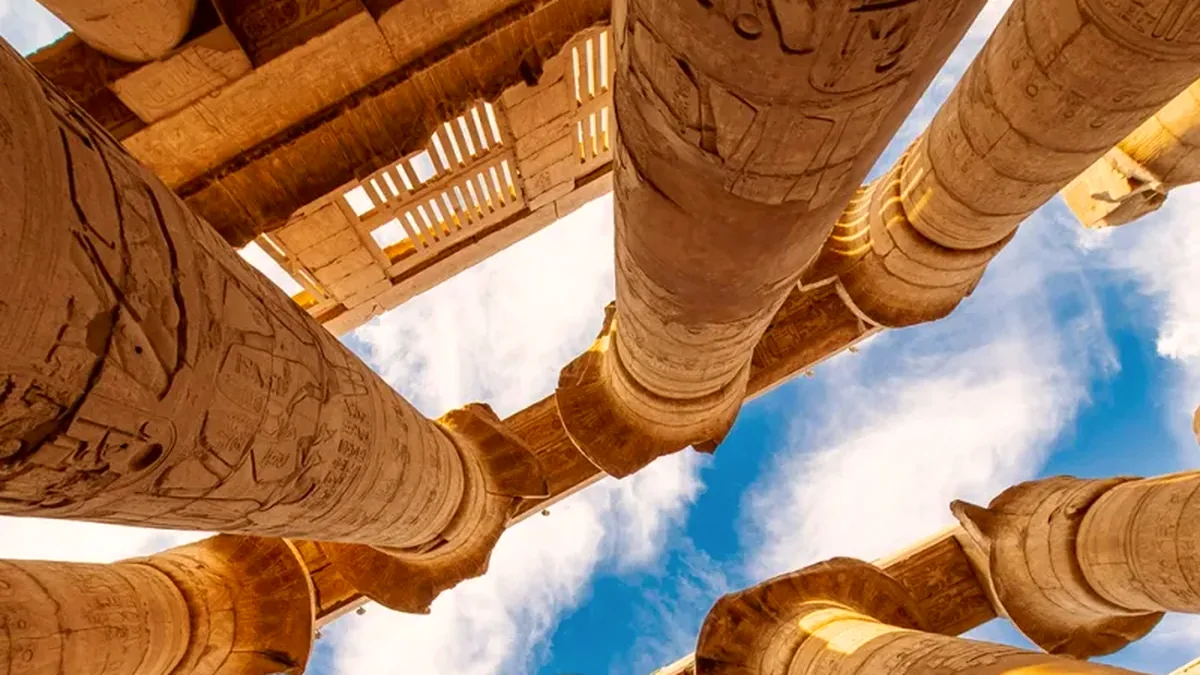
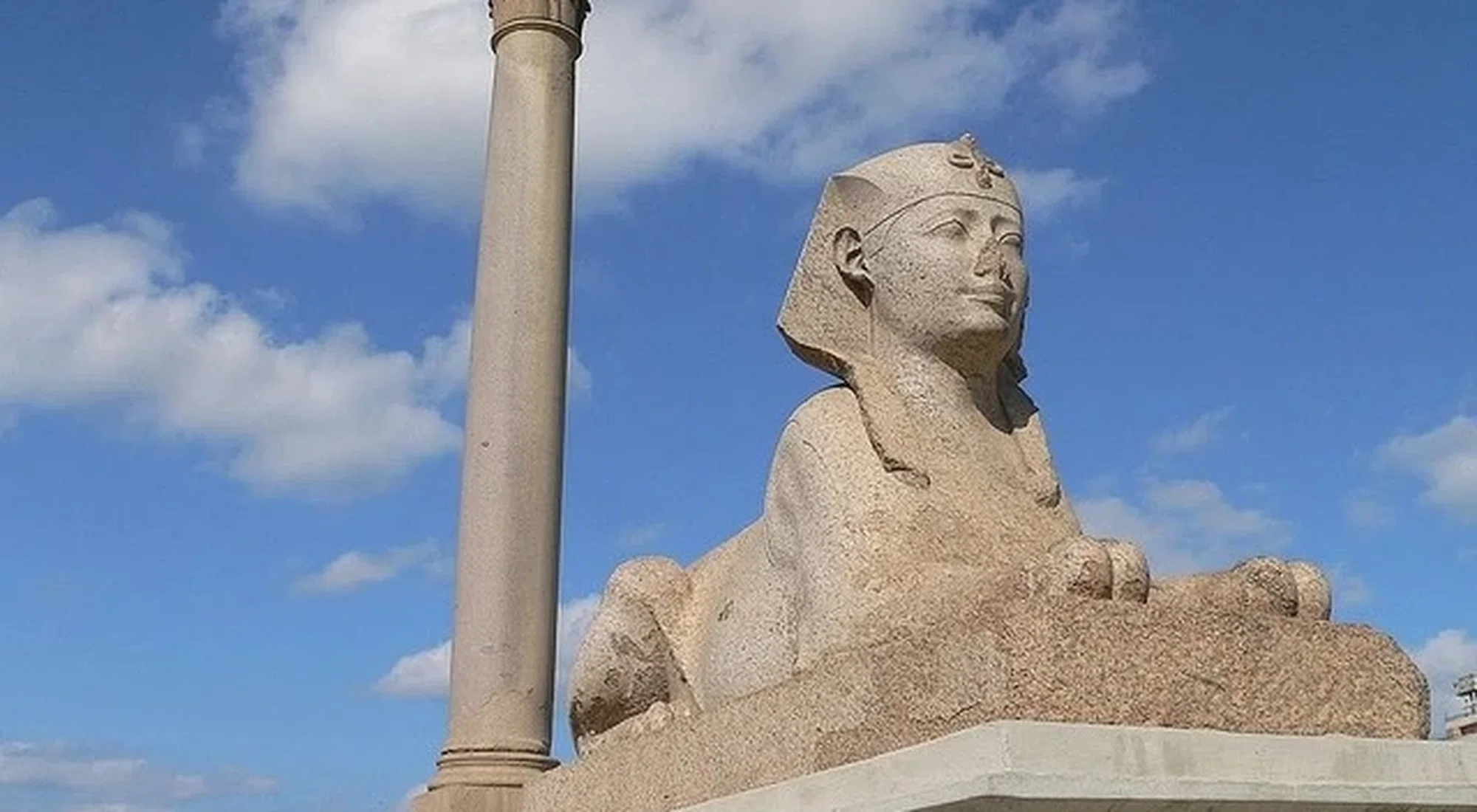
Luxor's Avenue of Sphinxes — the ancient processional road linking Karnak and Luxor temples — was reopened in a spectacular ceremony, and it changed how the east bank of Luxor is experienced. Advisors should know why.
What it is
Nearly three kilometres long and lined with hundreds of sphinx statues, the avenue once carried the great religious processions between the two temples. Buried and built over for centuries, its excavation and restoration reconnected Karnak and Luxor Temple as the ancients intended.
Why it matters for itineraries
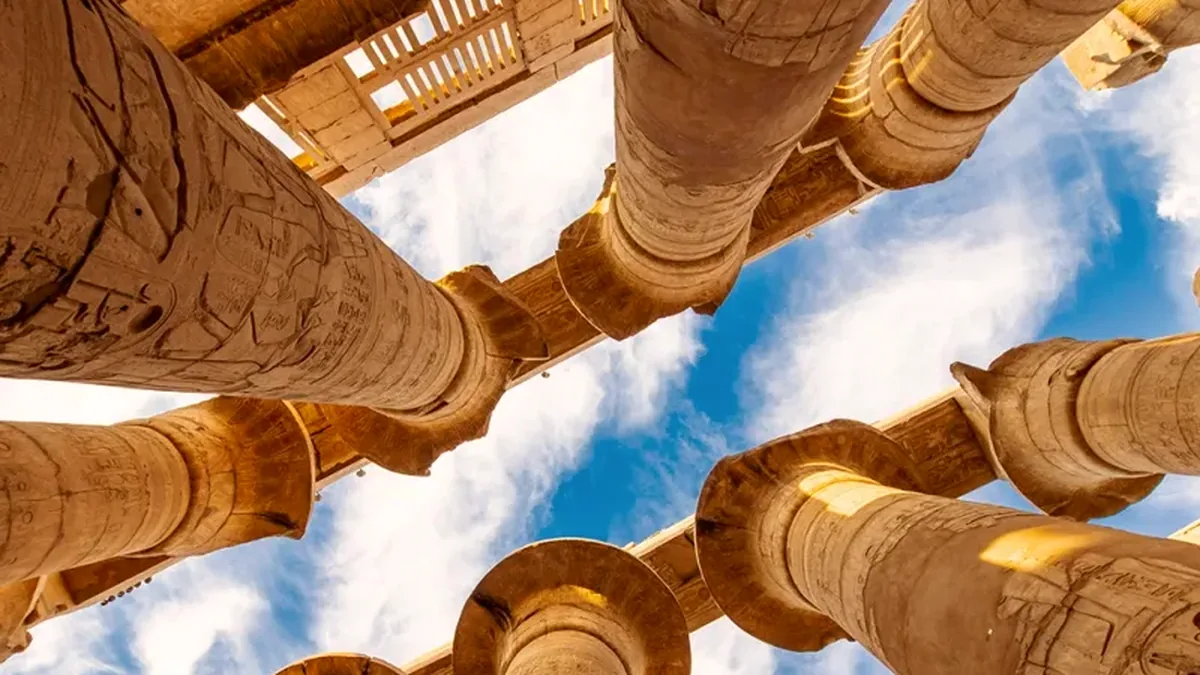
The reopening turns two separate temple visits into a single connected story. Clients can now appreciate the relationship between Karnak and Luxor Temple — and the scale of ancient Theban ceremony — in a way that wasn't possible before. It also adds a striking walking dimension to a Luxor programme, especially at golden hour.
Planning notes
- Luxor's east bank now warrants unhurried time; the temples plus the avenue are a substantial half to full day.
- Heat management matters — early morning or late afternoon is far more comfortable for the open walk.
- A licensed Egyptologist turns the avenue from a photo stop into the centrepiece it deserves to be.
Building Luxor around moments like this, at the right pace, is the everyday work of a local Egypt tour operator with people on the ground.
Quick answers
What connects Karnak and Luxor Temple?
The Avenue of Sphinxes, an ancient processional road nearly three kilometres long, restored and reopened to visitors.
How much time should clients allow in east-bank Luxor?
Half a day at minimum for Karnak, Luxor Temple and the avenue; a full day for anyone with a real interest.