Sustainability in Egyptian Tourism: What Clients Now Ask For
Clients booking travel to Egypt now increasingly demand sustainable practices, from eco-friendly accommodations to responsible site management and community engagement. They expect tour operators to prioritize environmental protection, support local communities, and provide transparent information about the sustainability of their offerings.
See our responsible travel policy, and how this plays out on the water in the Red Sea.
Key Takeaways
- Eco-conscious travelers are driving demand for green hotels, sustainable transport, and authentic cultural experiences in Egypt.
- Major Egyptian destinations like Aswan and the Red Sea are investing in conservation and community-based tourism.
- Operators must stay updated on site opening hours and closures to minimize environmental impact and avoid overcrowding.
- Luxury Nile cruise programmes are adapting with reduced plastic use and local sourcing to meet sustainability expectations.
- Clients increasingly ask about guides’ qualifications and responsible wildlife or heritage interactions.
The Rise of Sustainable Tourism Demand in Egypt
The global travel industry has seen a fundamental shift as travelers become more environmentally and socially conscious. In Egypt, this trend is clear: clients now routinely ask about eco-certifications, carbon footprints, and how their visit will benefit local communities. This shift is not limited to a niche market—mainstream travelers, group organizers, and luxury tourists alike are requesting sustainable options. The Egyptian Ministry of Tourism and Antiquities has responded by encouraging green certifications for hotels and promoting responsible travel through national campaigns. Tour operators are expected to provide detailed information about their sustainability initiatives, from waste reduction policies to water conservation efforts.
For operators, staying up to date with local regulations and site access is crucial. To ensure compliance and reduce environmental strain, planners can consult resources like Site Opening Hours and Closures Every Planner Should Know for the latest updates on site availability and restricted access periods.
Eco-Friendly Accommodations and Green Certification
Eco-lodges, green hotels, and campsites certified by organizations such as Green Star Hotel or EarthCheck are increasingly popular among visitors to Egypt. These accommodations incorporate solar energy, water-saving technologies, and recycling programs. Many also source food locally and employ staff from surrounding communities, ensuring tourism dollars circulate within the region. In the Red Sea resorts, for example, hotels have adopted reef-friendly practices, such as banning single-use plastics and supporting marine conservation initiatives. Travelers now ask detailed questions about a hotel's sustainability credentials, energy sources, and community impact before booking. For operators, transparency about these features is essential to meet client expectations and win business.
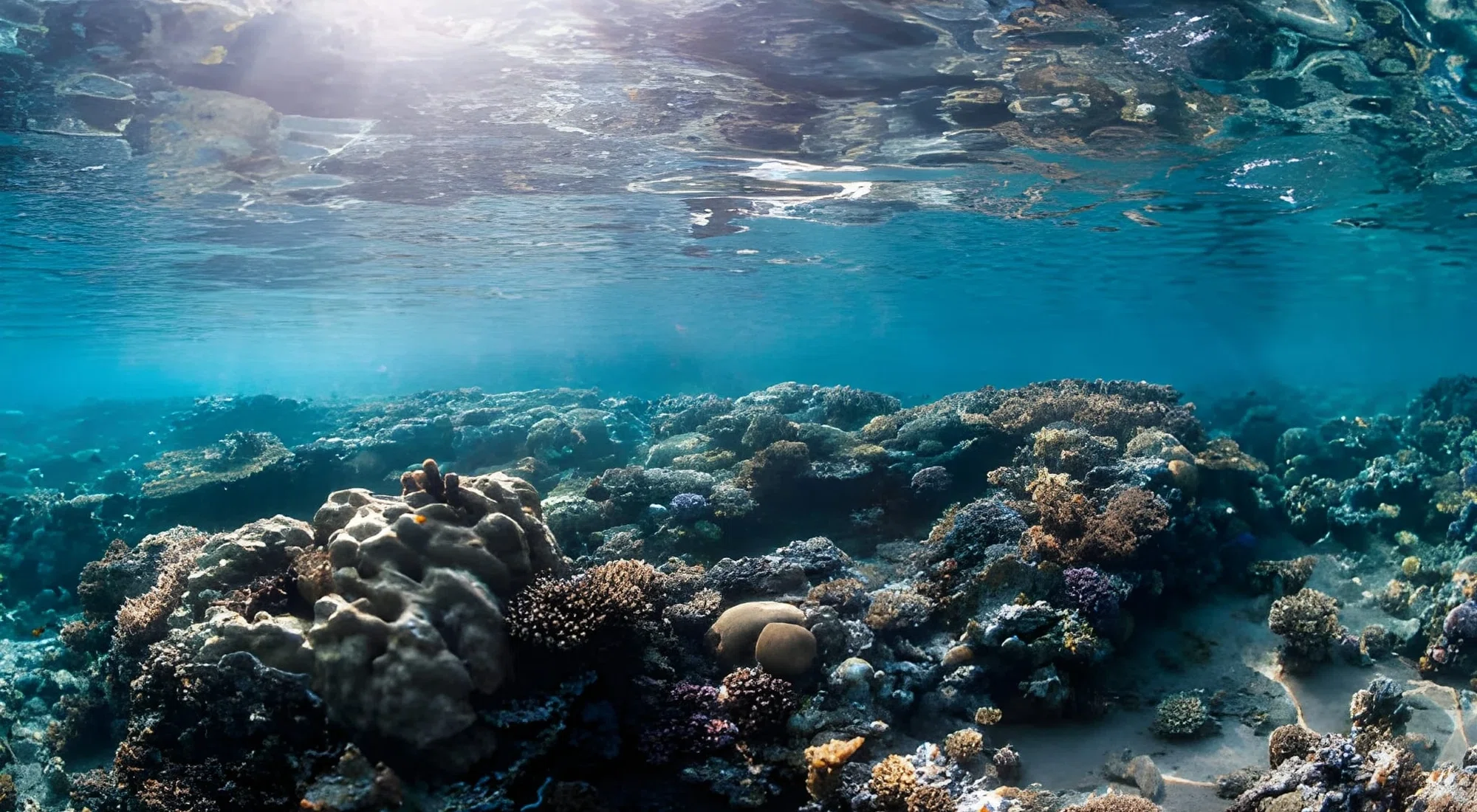
Clients interested in marine conservation and eco-friendly stays frequently choose destinations like the Red Sea, where sustainable tourism is a growing priority.
Community Involvement and Local Benefit
Modern travelers want their visits to support local communities, not just large corporations. In Egypt, this means favoring tours that include village visits, handicraft workshops, and meals prepared by local families. Operators are increasingly partnering with community-based organizations to develop authentic experiences that benefit residents directly. In Aswan, for instance, Nubian-led tours introduce visitors to traditional culture, cuisine, and crafts, ensuring that tourism revenue supports heritage preservation and local livelihoods. Clients now ask how much of their tour fee stays in the community, and whether their presence is welcomed and sustainable. Operators should be ready to provide detailed answers and examples of positive community impact.
For a culturally immersive and responsible experience, many travelers opt for itineraries that include Aswan, a region renowned for its community-based tourism initiatives.
Responsible Site Management and Visitor Flow
Overcrowding at Egypt’s iconic sites, such as the Pyramids of Giza and the Valley of the Kings, poses a threat to both visitor experience and site preservation. Clients are increasingly aware of these issues and expect operators to manage group sizes, visit times, and routes to minimize impact. Staggered entry times, off-peak visits, and the use of alternative sites are now common strategies. Operators must stay informed about site-specific rules, conservation efforts, and temporary closures, which are often implemented to allow for restoration or to limit visitor numbers. Providing this information proactively reassures clients that their visit will be both enjoyable and responsible.
For further insights into how industry professionals are adapting to these logistical challenges, the trade insights category offers up-to-date analysis and recommendations.
Sustainable Nile Cruises and River Tourism
The legendary Nile cruise is a highlight of many Egyptian itineraries, but clients now expect these journeys to be as sustainable as possible. Operators have responded by retrofitting vessels with energy-efficient engines, reducing single-use plastics, and sourcing food from local farmers. Some cruises now offer educational talks on Nile ecology and support riverbank clean-up efforts. Luxury travelers, in particular, seek out programs that combine comfort with environmental responsibility. They ask about emissions, waste management, and the treatment of local staff. To remain competitive, cruise providers must document and communicate their sustainability credentials clearly.
Travelers seeking a sustainable yet high-end experience often choose luxury Nile cruise programmes that prioritize eco-friendly operations and community engagement along the river.
Guides, Licensing, and Sustainable Interpretation
Knowledgeable, licensed guides are central to a sustainable tourism experience in Egypt. Clients increasingly ask about guides’ qualifications, language skills, and their ability to interpret sites responsibly—avoiding misinformation and promoting respect for heritage. Many now expect guides to discuss site conservation, local culture, and responsible behavior, such as not touching ancient monuments or disturbing wildlife. The Egyptian government regulates guide licensing and requires ongoing training, but travelers still value transparency about a guide’s background and specialties. Operators should highlight their guides’ credentials and commitment to sustainable tourism in all communications.
For a deeper understanding of the requirements and standards for guides in Egypt, refer to Egyptian Guides: Licensing, Languages and Specialisms.
Payment, Currency, and Sustainable Spending
Clients are increasingly mindful of how their spending supports sustainable tourism in Egypt. They ask about the use of local currency, fair wages for staff, and whether tips go directly to guides and drivers. There is also growing interest in using digital payments to reduce the need for printed receipts and cash handling, which can have environmental and security implications. Operators must provide clear information about payment practices and ensure that local partners and staff are compensated fairly. Transparent communication about these policies builds trust with clients and demonstrates a commitment to ethical tourism.
For practical advice on handling money in Egypt, including sustainable payment options, see Currency and Payment Practicalities for Operators Working in Egypt.
Security, Safety, and Sustainable Group Travel
Safety remains a top concern for visitors to Egypt, but clients now also expect security arrangements to align with sustainable and respectful practices. This includes minimizing the environmental impact of group transport, avoiding over-policing in sensitive areas, and respecting local communities’ privacy. Operators must balance robust security protocols with discretion and sustainability, ensuring that group movements do not disrupt daily life or damage natural habitats. Clients are also interested in how security requirements affect their itinerary, including any restrictions on site access or group size. Clear, proactive communication is essential to reassure travelers and uphold sustainable tourism standards.
For detailed information on group safety protocols and best practices, consult Security and Escort Requirements for Groups in Egypt.
Frequently Asked Questions
What sustainable accommodations are available in Egypt?
Sustainable accommodations in Egypt include eco-lodges, green-certified hotels, and campsites that use solar energy, water-saving technologies, and local sourcing. Many are found in areas like the Red Sea and Aswan, where environmental conservation is a priority.
How can travelers ensure their visit benefits local communities?
Travelers can choose tours and experiences that partner with local communities, such as village visits, handicraft workshops, and meals with local families. Asking operators how revenue is distributed and seeking out community-based tourism initiatives helps ensure a positive impact.
Are Nile cruises environmentally friendly?
Many Nile cruises are adopting sustainable practices, including energy-efficient engines, reduced plastic use, and local food sourcing. Travelers should look for operators that clearly communicate their environmental policies and community engagement efforts.
What should I know about site access and opening hours?
Egypt’s major sites sometimes have restricted access or closures for conservation. Travelers should check for up-to-date information on opening hours and closures before planning visits to avoid overcrowding and support site preservation.
What qualifications do Egyptian guides have?
Licensed Egyptian guides undergo rigorous training and are required to renew their licenses regularly. Clients can ask operators about their guides’ language skills, specialties, and commitment to sustainable interpretation of sites.
How do payment practices support sustainability in Egypt?
Using local currency, tipping fairly, and supporting digital payment options can help ensure that tourism spending benefits local communities and reduces environmental impact. Travelers should ask operators about their payment and wage policies to support ethical tourism.