Egyptian Guides: Licensing, Languages and Specialisms
Egyptian guides are required to be officially licensed, demonstrate proficiency in at least one foreign language, and often specialise in specific fields such as archaeology, religious tourism, or nature guiding. Licensed guides ensure compliance with regulations, offer accurate historical context, and can be tailored to suit the interests and accessibility needs of different traveller groups.
Licensed guiding is one part of a wider ground operation — see what a DMC does and how we work with tour operators on staffing a programme.
Key Takeaways
- All professional guides in Egypt must hold a government-issued license, renewed every five years.
- Guides are available in major world languages, with English, French, German, Spanish, and Italian most common.
- Specialist guides can focus on archaeology, religious sites, adventure, or accessible tourism.
- Group sizes and timings, especially at major attractions, are regulated for optimal visitor flow.
- Licensed guides are mandatory for entry to many archaeological sites and museums.
Egyptian Guide Licensing: Regulations and Requirements
To work legally as a tour guide in Egypt, individuals must obtain a license from the Ministry of Tourism and Antiquities. The licensing process involves rigorous training, background checks, and proficiency exams in history, archaeology, and customer service. Licenses are valid for five years and require periodic renewal, ensuring guides stay updated with the latest developments in the tourism sector. Only licensed guides are permitted to lead groups in major archaeological sites, museums, and religious monuments, which guarantees a high standard of knowledge and professionalism for visitors.
For travellers considering our Egypt tours, engaging a licensed guide is not only a legal requirement for many sites but also enhances the quality of your experience through expert storytelling and logistical support.
Languages Spoken by Egyptian Guides
Egyptian guides cater to an international clientele, so language proficiency is a cornerstone of their training. Most guides are fluent in English, while many also speak French, German, Spanish, Italian, Russian, and increasingly Mandarin and Japanese. When booking a tour, it is advisable to specify your preferred language in advance, especially during peak travel seasons when demand for certain language guides is high. Guides with rare language skills are often in short supply and may command higher fees, particularly for private or specialised tours.
Guides with strong language skills play a pivotal role in facilitating accessibility. For more information about inclusivity and tailored experiences, read Accessible Egypt: What You Can Safely Promise a Client.
Specialisms: Archaeology, Religion, Adventure, and More
Many Egyptian guides choose to specialise in particular fields, such as ancient history, religious tourism, eco-tourism, or adventure guiding. Archaeological guides are experts in Egyptology and are often graduates of history or archaeology programmes. Religious guides may focus on Islamic Cairo, Coptic Christian heritage, or Jewish sites, offering nuanced insights into Egypt’s diverse spiritual history. Nature and adventure guides are essential for exploring the deserts, oases, and marine environments of the Red Sea and Sinai.
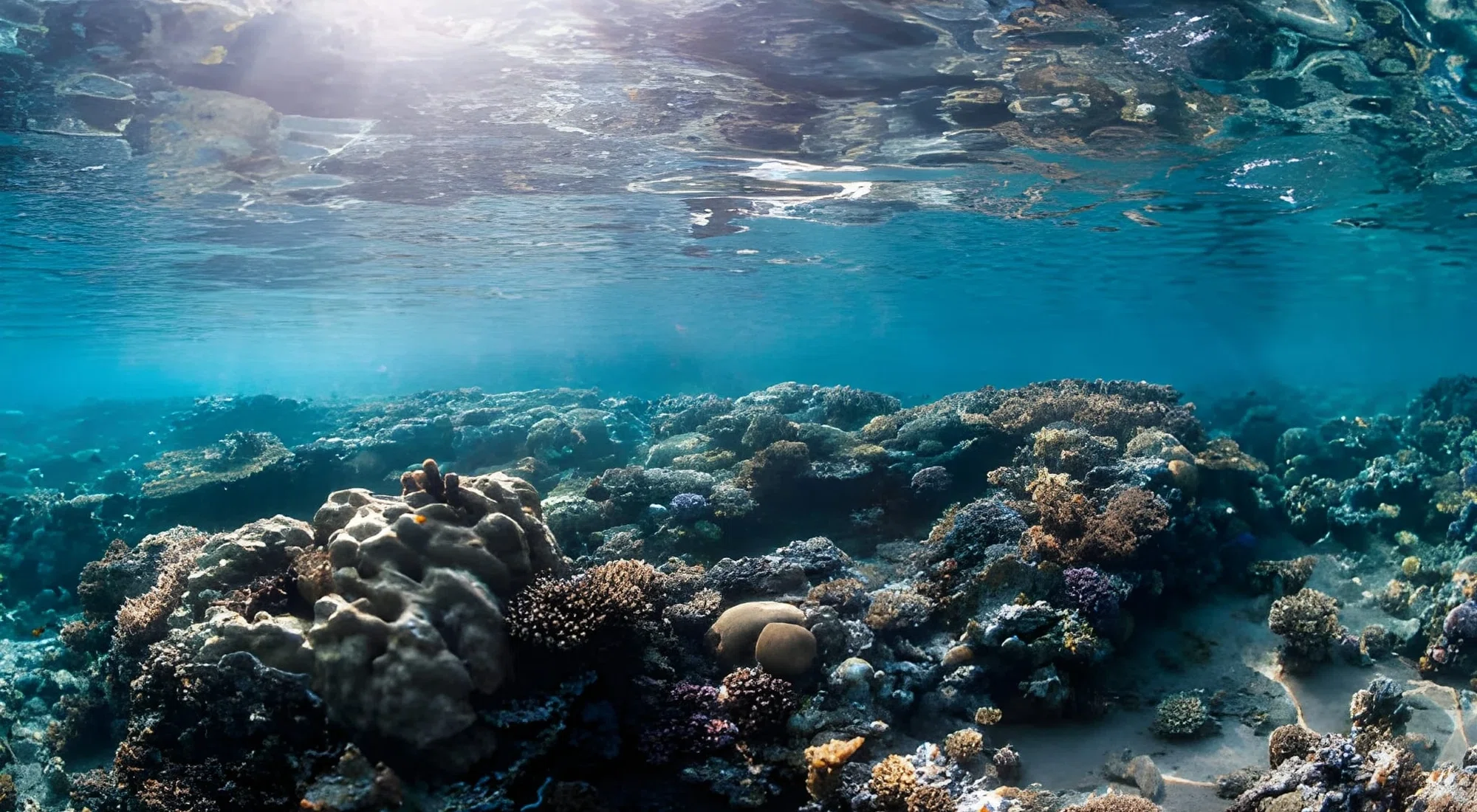
If you are planning to explore the Red Sea, a specialist guide can introduce you to the region’s unique marine life, coral reefs, and water sports opportunities.
Guide Roles at Major Attractions: Museums and Temples
At Egypt’s iconic attractions, such as the Pyramids of Giza, the Valley of the Kings, and the new Grand Egyptian Museum (GEM), licensed guides are essential for navigating strict entry rules, managing group timings, and providing in-depth interpretation. The GEM, located near the Giza Plateau, is expected to transform the visitor experience with its vast collections and modern facilities. Guides must be well-versed in the museum’s layout, exhibit highlights, and group flow protocols to ensure a smooth and educational visit.
For practical advice on managing group visits to this world-class institution, see The Grand Egyptian Museum: Visitor Flow and Group Timings.
Regional Expertise: Guides in Luxor and Upper Egypt
Luxor, often called the world’s greatest open-air museum, demands guides with deep regional expertise. The city encompasses the temples of Karnak and Luxor, the tombs of the Valley of the Kings, and the mortuary temple of Hatshepsut. Guides in Luxor are typically Egyptologists with extensive knowledge of New Kingdom history and art. They can tailor tours to suit short itineraries or in-depth explorations, ensuring visitors make the most of their time in this archaeological wonderland.
If you are seeking inspiration for a condensed itinerary, Luxor in One Night: A Short-Programme Itinerary That Works provides a practical guide. For destination details, browse Luxor for highlights and travel advice.
Accessible and Inclusive Guiding in Egypt
The Egyptian tourism sector has made significant strides in accessibility, with many guides now trained to support travellers with mobility, hearing, or vision impairments. Accessible guiding involves not just physical support, but also adapting commentary, using assistive technology, and understanding the needs of diverse groups. Some guides specialise in accessible tourism, working closely with hotels and transport providers to ensure a seamless experience for all visitors.
For updates on infrastructure and accessible accommodation, New Hotel Openings in Cairo and What They Mean for Your Programmes highlights recent developments in the capital’s hospitality sector.
Guides and Nile Cruise Programmes
Nile cruises are among Egypt’s most popular travel experiences, combining leisure with immersive cultural exploration. Onboard, licensed guides lead daily excursions to temples and tombs along the river, providing historical context and managing logistics. Many cruise guides are multilingual and adept at handling large groups, ensuring smooth transitions at busy sites. Specialist guides are often assigned to luxury Nile cruise programmes, where guests expect a high level of personalisation and in-depth commentary.
Group Size, Timing, and Visitor Flow: How Guides Add Value
Group size and timing are crucial factors in the Egyptian tourism landscape. Licensed guides are trained to manage group logistics, optimise routes, and schedule visits to avoid crowds, especially at high-traffic sites. They are familiar with local regulations, such as maximum group sizes for certain monuments and required advance bookings for museums. This expertise not only enhances the visitor experience but also ensures compliance with conservation and safety standards.
| Attraction | Recommended Group Size | Typical Guide Specialism | Language Availability |
|---|---|---|---|
| Pyramids of Giza | Up to 25 | Archaeology | English, French, German, Spanish, Italian |
| Luxor Temples | Up to 20 | Egyptology | English, French, Russian |
| Red Sea Resorts | Flexible | Nature, Adventure | English, Italian, Russian |
| Grand Egyptian Museum | Up to 30 | Museum, Archaeology | English, French, Japanese |
Frequently Asked Questions
-
Do I need to hire a licensed guide for all tourist sites in Egypt?
Yes, a licensed guide is mandatory for entry to many archaeological sites, museums, and some religious monuments in Egypt. This ensures visitors receive accurate information and comply with site regulations. -
Which languages are most commonly spoken by Egyptian guides?
The most common languages spoken by Egyptian guides are English, French, German, Spanish, and Italian. Guides with proficiency in Russian, Mandarin, and Japanese are also available, especially in major tourist areas. -
How can I request a specialist guide for my interests?
When booking your tour, specify your interests—such as archaeology, religious history, or adventure—and your travel agent or operator will match you with a guide who specialises in that field. -
Are there guides trained in accessible tourism in Egypt?
Yes, many guides in Egypt are trained to support travellers with disabilities, offering tailored commentary and assistance to ensure an inclusive travel experience. -
What is the typical group size for guided tours at major attractions?
Group size varies by site, but most archaeological sites and museums limit guided groups to between 20 and 30 people to protect the monuments and ensure a high-quality experience. -
Can I book a private guide for a luxury Nile cruise?
Yes, private guides are available for luxury Nile cruises and can provide personalised commentary, flexible scheduling, and in-depth exploration of historical sites along the river.