Allotment vs Full Charter vs Dahabiya: How Nile Cruise Contracting Works
Allotment vs Full Charter vs Dahabiya: How Nile Cruise Contracting Works
The difference between allotment, full charter, and dahabiya contracting for Nile cruises lies in how space is reserved and managed: allotment involves pre-booked cabins for tour operators, full charter means exclusive use of an entire boat for a group, and dahabiya offers a traditional, small-boat charter experience—each model affects pricing, flexibility, and the overall guest experience.
Key Takeaways
- Allotment contracts reserve a set number of cabins for operators, offering flexibility but not exclusivity.
- Full charters grant exclusive use of a Nile cruise boat, ideal for large groups or private events.
- Dahabiyas are traditional sailing vessels, usually chartered in full for small, intimate groups.
- Nile cruises operate between Luxor and Aswan in Upper Egypt, with varied contract models to suit different group sizes and travel styles.
- Official fees and hours for monuments and sites along the Nile are periodically revised; always check the latest details before booking or travel.
Understanding Nile Cruise Contracting Models
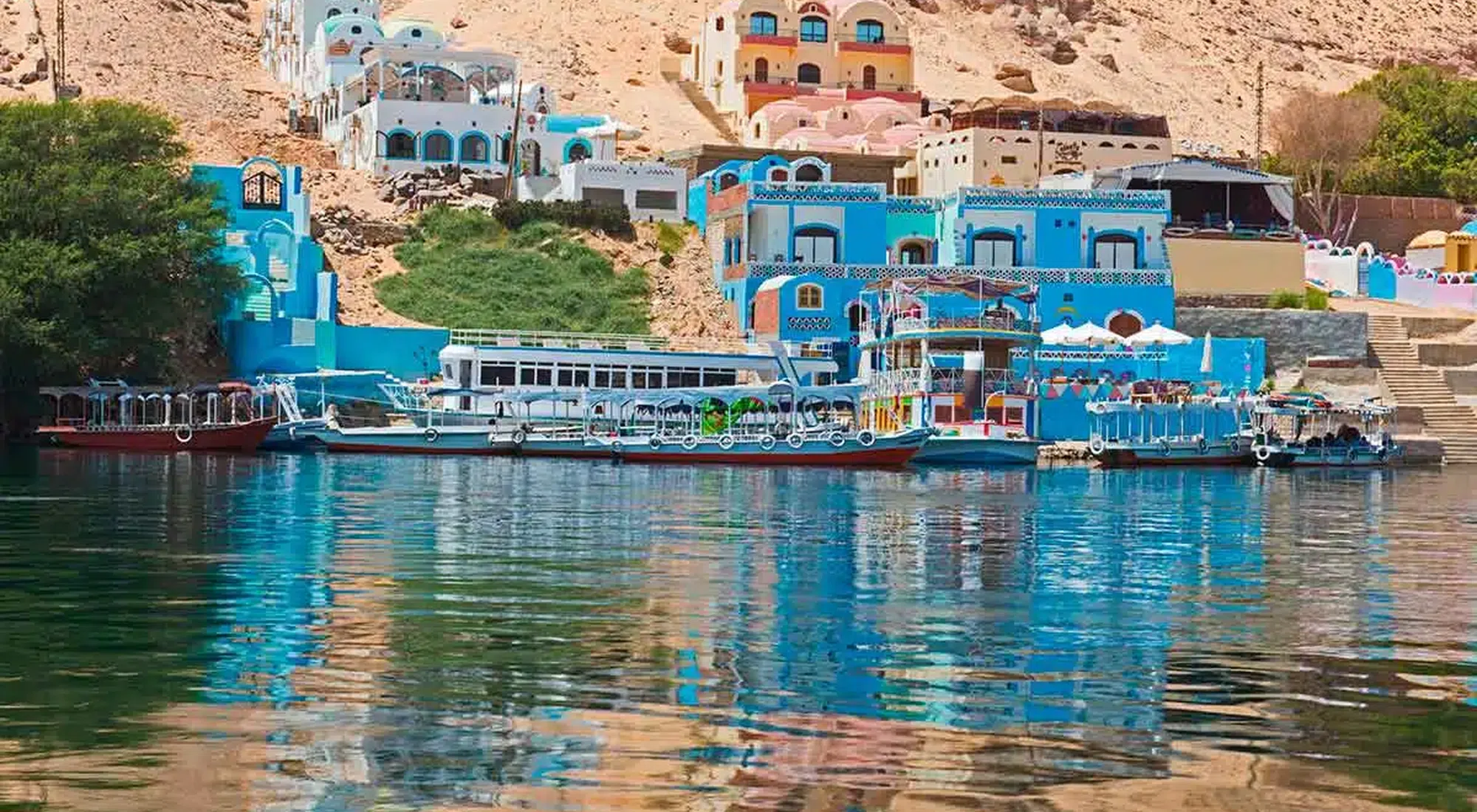
Nile cruises are a highlight of travel in Egypt, transporting guests between Luxor and Aswan and offering access to some of the world’s most celebrated ancient sites. For group organizers and travel planners, understanding the contracting models—namely allotment, full charter, and dahabiya—is crucial for delivering the right experience. Each approach determines how space is sold, how flexible the arrangements are, and what level of exclusivity or service guests can expect.
What Is an Allotment Contract?
An allotment contract is a pre-arranged agreement between a cruise operator and a tour company, where a fixed number of cabins are reserved for a specific period or season. The tour operator can sell these cabins to clients up to a release date, after which unsold cabins are returned to the cruise operator. This model offers flexibility for both parties, allowing operators to guarantee space without committing to a full boat and cruise companies to maintain high occupancy rates.
For group sizes that fluctuate or for companies running regular departures, allotment is a practical solution. It also allows for last-minute sales, which is attractive in a market where demand can change rapidly. For more insights on how group sizes influence service, see guide to guest ratios in Egypt.
Full Charter: Exclusive Use for Groups
A full charter involves booking an entire Nile cruise boat for the exclusive use of a single group, organization, or event. This model is popular for large family reunions, corporate incentives, or special-interest travel such as archaeological societies. With a full charter, the group has complete control over the onboard program, meal times, entertainment, and even the cruise schedule within the bounds of river regulations.
Full charters are typically more cost-effective per person for larger groups and allow for customized experiences. To compare the benefits and drawbacks of this model versus allotment, explore Nile cruise boats for groups for detailed analysis.
Dahabiya: Boutique Cruising for Small Groups
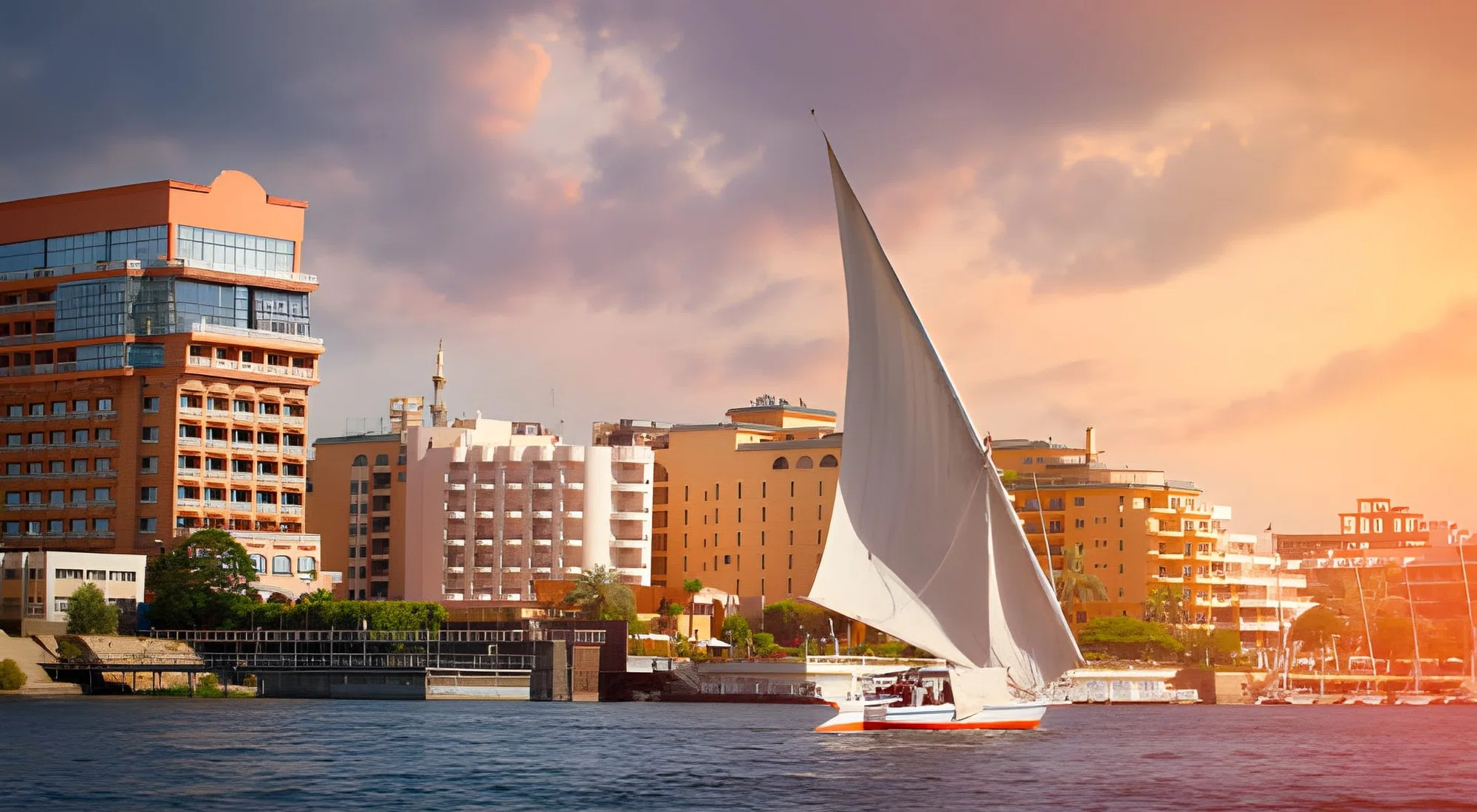
Dahabiya refers to a traditional, shallow-draft sailing vessel that offers an intimate Nile cruise experience. These boats usually accommodate between 8 and 20 guests, making them ideal for small private groups, families, or incentive teams seeking exclusivity and a slower pace. Dahabiyas are often chartered in full, as their small size makes partial allocation impractical.
The dahabiya experience is distinct: fewer passengers, personalized service, and the ability to stop at less-visited sites along the river. For small groups considering this option, dahabiya charters for small incentive groups offers practical tips and sample itineraries.
Comparing Allotment, Full Charter, and Dahabiya: A Table Overview
| Contract Model | Group Size | Exclusivity | Flexibility | Typical Use Case |
|---|---|---|---|---|
| Allotment | 15–60+ | Shared with other groups | Medium | Tour operators with regular departures |
| Full Charter | 30–150 | Exclusive use | High | Large groups, events, incentives |
| Dahabiya | 8–20 | Exclusive use | Very high | Small private groups, families |
Key Destinations on Nile Cruise Routes
Most Nile cruises operate between Luxor and Aswan in Upper Egypt, with stops at iconic temples and archaeological sites. Highlights include Karnak Temple, Luxor Temple, Edfu Temple, Kom Ombo Temple, Esna Temple, Philae Temple, and the Valley of the Kings. Each site has its own ticket prices and opening hours, which are periodically revised by the Ministry of Tourism and Antiquities. For example, general admission for foreign adults at Karnak Temple is EGP 600, while at Luxor Temple it is EGP 500. Always check the latest official information before planning your visit.
Choosing the Right Contract for Your Group
Deciding between allotment, full charter, or dahabiya depends on your group’s size, budget, and desired experience. Allotment is best for operators running multiple departures who need flexibility. Full charter is ideal for large groups seeking privacy and control. Dahabiya suits small groups who value intimacy and a slower pace. For groups that may not fit neatly into one category, consider how group size and travel goals align with each model’s strengths. If you are splitting a very large group across multiple boats or hotels, how to split a 120-person group across hotels provides practical advice.
Operational Considerations: Payments, Tickets, and Entry Rules
When contracting Nile cruises, it is essential to understand the ticketing and payment landscape for the monuments visited along the route. All monument ticket prices are in Egyptian Pounds (EGP), and free entry is available for children under 6, Egyptian seniors 60+, Egyptians with special needs, and orphaned children, per the Ministry of Tourism and Antiquities. Student tickets require a valid student ID and an age not exceeding 24. Mobile phone photography is free of charge at Ministry sites, but commercial filming needs permission. At Giza, self-service machines accept bank cards for site tickets, but card acceptance is not guaranteed at every site.
Sample Itineraries and Guest Experience
The choice of contracting model can influence the itinerary and guest experience. Full charters and dahabiyas allow for customized schedules, special events, or unique shore excursions, while allotment-based cruises follow set programs. For guests with limited time, it is possible to enjoy highlights such as Luxor in a single night; see Luxor in one night: a short-programme itinerary for inspiration. Regardless of the model, arriving at sites at least one hour before closing is recommended, and opening times may vary by season or during Ramadan.
Budgeting for Group Tipping and Responsible Travel
Tipping is a key part of group travel in Egypt, especially on Nile cruises where staff rely on gratuities. Group organizers should brief travellers on expected tipping amounts and local customs. For detailed advice, consult group tipping in Egypt. Additionally, responsible travel practices are encouraged, including respecting local culture and supporting sustainable tourism. To learn more, see responsible travel for guidelines and recommendations.
Expanding Beyond the Nile: Other Egyptian Destinations
While Nile cruises remain a classic choice, Egypt offers a diverse range of destinations for group and individual travellers. The Red Sea coast, for instance, is renowned for its world-class diving and relaxation resorts. Many tour operators combine Nile cruises with beach extensions or desert adventures. For a broader look at options, browse the Red Sea or explore our Egypt tours for inspiration.
Frequently Asked Questions
-
What is the main difference between an allotment and a full charter on a Nile cruise?
The main difference is that allotment contracts reserve a set number of cabins for a tour operator, who then sells them to clients, while a full charter involves booking the entire boat exclusively for one group. -
Who should consider a dahabiya cruise?
Dahabiya cruises are best suited for small groups, families, or incentive teams seeking an intimate, private experience with personalized service and flexible itineraries. -
Are monument ticket prices included in Nile cruise packages?
Some Nile cruise packages include monument entry fees, while others do not; always check with your tour operator to confirm what is covered. -
Can I pay for monument tickets by card?
At Giza, self-service machines accept bank cards for site tickets, but card acceptance is not guaranteed at every monument, so carrying cash in Egyptian Pounds (EGP) is recommended. -
What are the free entry policies for monuments along the Nile?
Free entry is granted to children under 6, Egyptian seniors 60+, Egyptians with special needs, and orphaned children, as stated by the Ministry of Tourism and Antiquities. -
How often are monument opening hours and fees updated?
Official opening hours and fees for monuments and museums are periodically revised by the Ministry of Tourism and Antiquities; always check the latest details before your trip.